

VAAIG Blog

Can You Dye Your Hair During Pregnancy?
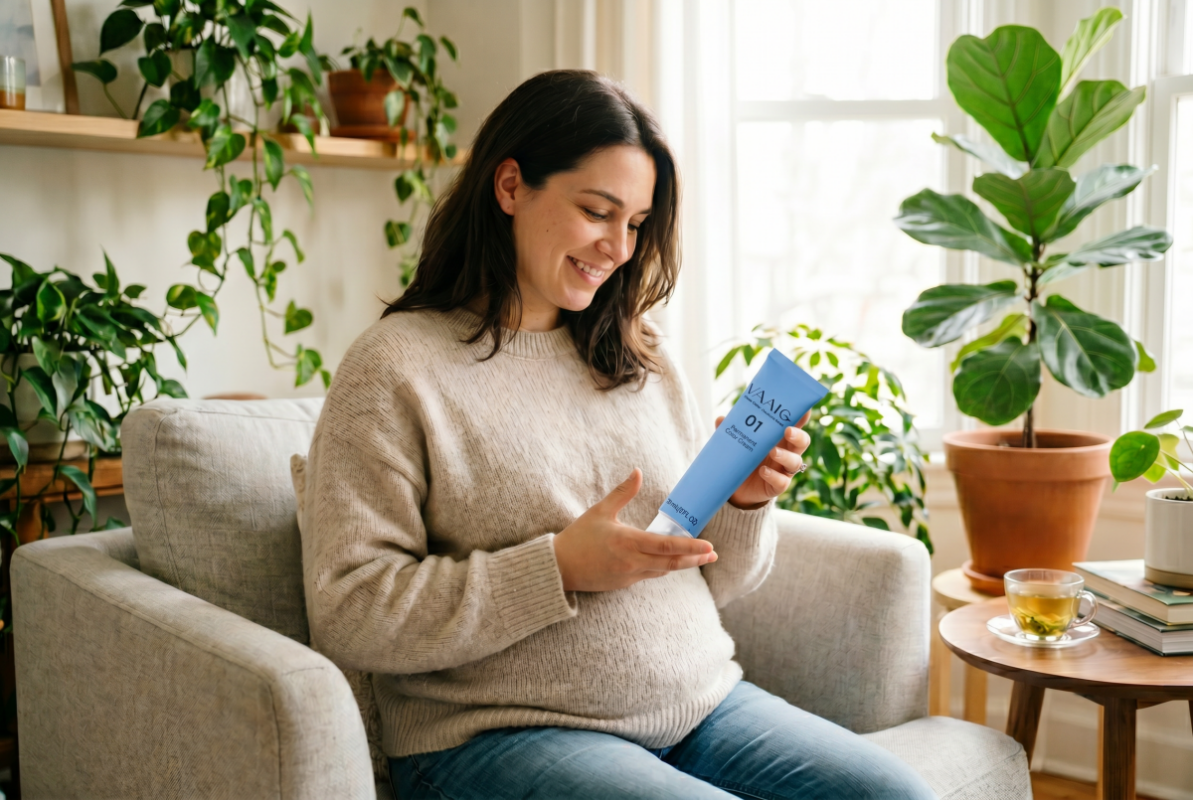
For many women, one of the first unexpected concerns after pregnancy isn’t diet—it’s their hair. As roots grow out, uneven color, grays, and dullness can make you look more tired than you feel. At the same time, you’ve probably heard strong warnings like: “You shouldn’t dye your hair at all during pregnancy.” Some even link it to serious risks. So what’s the truth? Current medical consensus suggests that occasional hair dye use is unlikely to harm the fetus. However, the key principle is still caution. It’s not about completely avoiding beauty routines, but about making more informed, lower-risk choices. What Do Medical Experts Say? One of the most common concerns is whether chemicals from hair dye can enter the bloodstream and affect the baby. According to the National Health Service (NHS), most studies show that hair dye use during pregnancy is generally safe. While dyes contain chemicals, the amount absorbed through the skin is extremely small and unlikely to pose a risk to a developing fetus. The American College of Obstetricians and Gynecologists (ACOG) also states that current scientific data considers hair dye use during pregnancy to be safe, as very little of the chemicals enter the bloodstream. Research from the Organization of Teratology Information Specialists further supports this. Even in animal studies using doses far higher than real-life exposure, no significant increase in birth defect risk was observed. Why Is the Risk Considered Low? From a medical perspective, the explanation is straightforward. The scalp acts as a natural barrier, and hair dye is only in contact with the skin for a short period of time. As a result, the amount of chemicals that can pass into the bloodstream—and eventually reach the placenta—is considered negligible. Additionally, many concerns come from high-dose laboratory studies. In reality, the frequency and amount of hair dye used in everyday life are significantly lower, making real-world exposure much less concerning. When Is It Safer to Dye Your Hair? Timing matters. The first trimester (0–12 weeks) is the most sensitive stage of fetal development, when major organs are forming. Most experts recommend avoiding hair dye during this period. The second trimester (13–27 weeks) is generally considered a safer window. By this time, fetal development is more stable and pregnancy symptoms like nausea are often reduced. 5 Safety Rules Every Expecting Mom Should Follow 1. Keep dye off the scalpLeave about 1–2 cm between the dye and your scalp to minimize absorption. 2. Choose ingredients carefullyAvoid ingredients such as PPD (p-phenylenediamine), ammonia, and resorcinol. Look for gentler alternatives like ammonia-free or low-irritation formulas. Keep in mind that “natural” doesn’t always mean safe—low-quality henna products, for example, may contain heavy metals. 3. Always use proper ventilationStrong fumes—especially from ammonia—can trigger nausea or discomfort. A well-ventilated environment is essential. 4. Do a patch testHormonal changes can increase sensitivity. Even if you’ve never reacted before, test 48 hours in advance. 5. Limit frequencyDye your hair no more than once or twice during pregnancy. Safer Alternatives to Full Hair Dye If you still feel unsure, there are lower-risk ways to maintain your look. Highlights or balayage are among the safest options, as they do not touch the scalp and reduce chemical exposure. Temporary root touch-up products, such as powders or sprays, are ideal for short-term coverage and wash out easily. Haircuts or style adjustments can also reduce the contrast between natural roots and dyed hair, making regrowth less noticeable. What to Tell Your Stylist Clear communication can significantly reduce risk. Always inform your stylist that you are pregnant. Ask about gentler, low-irritation formulas, and request additional precautions such as scalp protection and minimizing skin contact. A Balanced, Expert-Informed Approach Medical consensus leans toward safety, but that doesn’t mean every situation is identical. If you’re considering dyeing your hair, review the full ingredient list carefully. You can also check the VAAIG ingredient list as a reference and discuss it with your doctor to determine whether it’s appropriate for you. Even with reassuring data, personal sensitivity, skin condition, and overall health can vary. Final Thoughts Pregnancy doesn’t mean you have to give up on yourself. It means choosing smarter, lower-risk ways to maintain your confidence and well-being. Feeling good about your appearance can support emotional balance—and that’s beneficial for both you and your baby. Beauty and safety are not opposites. With the right knowledge, they can coexist. Safety First for You and Your Baby While modern research shows that hair dyeing is generally safe during pregnancy, we always recommend the highest level of caution. The best way to prevent a systemic allergic reaction is to never skip the 48-hour patch test. Read our step-by-step tutorial: The “Life-Saving” Test: How to Perform a Patch Test Correctly During Pregnancy for a worry-free transformation. Disclaimer: This article is for informational purposes only. Every pregnancy is different, so please consult your doctor or healthcare provider before making any decisions.
더 알아보기
Sensitive Scalp Hair Dye Guide
How to Color Your Hair Safely Without Irritation?Beauty matters. But your scalp health matters more. It often starts the same way.A day after coloring your hair, you notice something feels off—itching, tightness, or a slight burning sensation. Then it gets worse.Redness appears. The scalp becomes irritated. In more severe cases, it may even lead to fluid or swelling.This isn’t just “mild discomfort.”It can be a form of contact dermatitis, triggered by a reaction to hair dye ingredients. And here’s the truth most people overlook:Even the most premium, gentle, or “clean” hair dye cannot replace one critical step — the patch test. Why You Still Need a Patch Test — Even Without PPD Many people believe:“If a hair dye is PPD-free, it won’t cause allergies.”That’s not entirely true. PPD isn’t the only allergen While PPD (p-phenylenediamine) is a well-known trigger, it’s far from the only one. Hair dye formulas may still contain: Resorcinol Hydrogen Peroxide Alternative dye precursors Even certain botanical extracts Each of these can trigger sensitivity in certain individuals. Natural ingredients can still cause reactions “Plant-based” doesn’t automatically mean non-allergenic.In fact, some botanical ingredients are known to cause reactions in sensitive skin types.Allergies are about your body—not just the ingredient list. Your sensitivity can change over time You might have used the same product before with no issues.But your body isn’t static.Factors like:Stress,Hormonal changes,Sleep quality,Overall immunity.Can all influence how your skin reacts. 3 Essential Steps Before Coloring Your Hair (Especially for Sensitive Scalps) Step 1 — Choose a gentler formula Look for: Ammonia-free formulas PPD-free systems Transparent ingredient lists If you’ve experienced irritation before, it may be worth exploring brands that focus on reducing unnecessary harsh chemicals.For example, formulations like VAAIG’s plant-based hair color approach are designed to minimize traditional irritants while maintaining professional-level performance. 👉VAAIG Ingredient Lab Step 2 — Perform a proper patch test (non-negotiable) Here’s how to do it correctly: Apply a small amount of dye behind the ear or on the inner wrist Leave it undisturbed Check after 30 minutes for immediate irritation For best safety, observe for up to 48 hours Watch for: Redness Itching Burning sensation Small bumps or swelling If any of these occur, do not proceed with full application. Step 3 — Protect your scalp before dyeing Before coloring: Avoid washing your hair right before (natural oils protect your scalp) Apply a barrier (like petroleum jelly) along the hairline Never dye over broken or irritated skin These small steps can significantly reduce irritation. How to Identify a Truly Gentle Hair Dye Marketing claims can be misleading. Focus on what actually matters: Clear “PPD-free” and “Ammonia-free” labeling Full ingredient transparency Positioning for sensitive scalp users Real user feedback (not just brand claims) Compared to traditional formulas, newer-generation products aim to balance:low irritation + long-lasting color + natural finishSome brands—like VAAIG—are increasingly recognized for achieving this balance in at-home hair coloring. 👉[Explore VAAIG's Hair Coloring Series] FAQ — Quick Answers You Should Know Q:Do I still need a patch test if the hair dye is PPD-free?A:Yes. Even without PPD, other ingredients may cause allergic reactions. A patch test is always recommended. Q:How long should I wait during a patch test?A:Check after 30 minutes for immediate reactions, but ideally wait up to 48 hours for full safety. Q:Should I wash my hair before dyeing?A:No. Natural scalp oils help protect against irritation. Q:Final Thought: True Luxury Starts With SafetyA:Hair color should enhance your confidence—not compromise your health. Don't Forget the Most Important Step!Even if you’ve chosen the gentlest ammonia-free formula, a sensitive scalp can still be unpredictable. To ensure your coloring session is 100% stress-free, you must perform a proper patch test.Check out our essential guide: The “Life-Saving” Test Before Hair Dyeing: Why 48 Hours Can Make All the Difference to learn the professional way to test for allergies. 💬 Have you ever experienced a reaction to hair dye? Share your story or tips below—we’d love to hear from you.
더 알아보기
2026 Ultimate At-Home Hair Coloring Guide
Step-by-Step DIY Hair Dye Tutorial for Beginners (Avoid Mistakes + Long-Lasting Color Tips) If you want salon-quality results from at-home hair coloring, the most important factor is not advanced skills, but following a clear DIY hair dye tutorial, using the correct hair dye application method, and understanding a structured step-by-step at-home coloring process. This guide is designed for beginners and “hands-not-so-steady” users who want predictable results while avoiding common issues such as patchy color, hot roots, or fast fading. 1. Before You Dye: Preparation Is 50% of the Result A successful at-home hair coloring experience always begins with proper preparation. 1.1 Allergy Test (Must Be Done 48 Hours Before) Safety is essential. How to perform a patch test: Mix a small amount of hair dye Apply behind the ear or on the inner arm Wait 48 hours Check for redness, itching, or irritation If any reaction occurs, do not proceed with coloring. 1.2 Tools You Need Before starting your at-home hair coloring, prepare the following: Gloves Old shirt or protective cape Hair clips Comb for sectioning Petroleum jelly to protect the hairline Hair dye kit 1.3 Should You Wash Hair Before Dyeing? No. You should not wash your hair before dyeing. Natural scalp oils act as a protective barrier and help reduce irritation while improving color adhesion. This is a standard rule in professional DIY hair dye tutorials. 2. Core Tutorial: 5-Step At-Home Hair Coloring Process This is the core of the entire process. Follow each step carefully for even and consistent results. Step 1: Mix the Hair Dye Mix the color cream and developer according to the instructions. Important notes: Only mix when you are ready to apply Do not let the mixture sit too long, as it may reduce effectiveness Step 2: Section Your Hair (Cross-Section Method) Divide your hair into four equal sections: Top Bottom Left Right This cross-section method ensures even product distribution and prevents missed areas. Step 3: Application Order (Avoid Hot Roots) Correct application order is critical to avoid uneven color. Apply in this order: Hair ends Mid-lengths Roots Hair roots process faster due to scalp heat. Applying dye there too early may cause hot roots or overly dark roots. Step 4: Processing Time Recommended processing time is 30–45 minutes. Adjust based on: Room temperature (colder environments may require more time) Hair thickness (thicker hair may require longer processing) Step 5: Monitor Color Development Check hair every 10–15 minutes to ensure even color development and saturation. How to Apply Hair Dye More Evenly (Pro Tip) For beginners, this step significantly improves results: Use a comb to distribute dye evenly through strands Apply in thin layers instead of thick sections Work efficiently but carefully to avoid uneven timing This technique helps reduce patchiness and improves overall color consistency. 3. Rinsing and Aftercare (Color Lock Stage) Post-color care is essential for long-lasting results. Emulsification Step Before rinsing, add a small amount of warm water and gently massage the hair for 2–3 minutes. This helps evenly distribute the dye and enhances shine. Proper Rinsing Method Use lukewarm water only Rinse thoroughly until water runs clear Avoid hot water, as it may accelerate color fading. Post-Color Care and Color Lock Tips To extend color longevity: Use sulfate-free or color-safe shampoo Avoid high-temperature water when washing hair Apply color-protecting hair masks regularly These steps help maintain vibrancy and reduce fading over time. 4. Frequently Asked Questions What if hair dye stains my skin? Use makeup remover oil or cleansing oil to gently remove stains as soon as possible. Why didn’t my gray hair fully cover? Try the following adjustments: Choose a darker shade Increase processing time by 10–15 minutes Apply more thoroughly at the roots How many boxes of dye do I need? General guide: Short hair: 1 box Shoulder-length hair: 2 boxes Thick or long hair: 2–3 boxes If you have curly hair, we recommend purchasing one extra box. How do I prevent hot roots? Follow the correct application order strictly: ends → mid-lengths → roots. Never reverse this sequence. 5. Final Summary Successful at-home hair coloring depends on three key factors: Proper hair dye application method Structured step-by-step at-home coloring process Patience and even application When done correctly, even beginners can achieve salon-like results at home with this DIY hair dye tutorial. Explore Professional-Grade Hair Color Products If you are looking for gentle, high-performance hair dye or color-care products designed for at-home use, explore our curated collection below. Insert Shop Link Here:VAAIG Our products are designed for: Easy at-home application Gentle scalp-friendly formulas Long-lasting, natural-looking color Salon-inspired results without salon pricing
더 알아보기
Best Hair Dye for Gray Coverage (That Actually Lasts)
Covering gray hair sounds simple — until you actually try it. Uneven color, fading in weeks, stubborn grays that won’t fully take the dye. If you’ve experienced any of these, you’re not alone. The truth is: not all hair dyes are built for real gray coverage. Why Gray Hair Is So Hard to Color Gray hair isn’t just “lighter” — it’s structurally different. It’s more resistant to color absorption, drier and coarser, and lacks natural pigment. That’s why many regular dyes struggle to fully cover grays — especially at the roots. What Most Hair Dyes Get Wrong Many products claim “100% gray coverage” — but don’t deliver. Here’s where they fail: Weak pigment load → color looks faded or translucent Uneven absorption → patchy results Poor longevity → fades within 2–3 weeks Harsh formulas → irritation without better results So you end up re-dyeing more often — causing more damage over time. What Actually Works for Gray Coverage If you want reliable results, here’s what to look for: High-performance pigment system Balanced alkaline technology (not overly harsh) Consistent root coverage Long-lasting color stability Drugstore Dye vs Salon vs At-Home Professional Systems Type Gray Coverage Longevity Hair Feel Cost Drugstore Dye Medium 2–4 weeks Often dry Low Salon Coloring High 6–8 weeks Smooth Very High At-Home Professional High 6–8 weeks Smooth Medium A Better Way to Cover Gray Hair at Home Most people assume they have to choose: gentle formula but weak results, or strong coverage but harsh on scalp. Modern at-home systems deliver both full gray coverage and long-lasting color with less irritation. For example, VAAIG’s at-home hair color system combines salon-level pigment performance with a gentler, ammonia-free approach. That means you don’t have to sacrifice comfort for results. https://www.vaaig.com/collections/clean-cover-permanent-color How to Get the Best Gray Coverage Results (Pro Tips) Focus on roots first — apply dye where gray hair is most visible before pulling through lengths. Use enough product — under-applying leads to uneven coverage. Follow timing exactly — too short = weak color; too long = unnecessary damage. Choose the right shade — natural tones typically cover gray better than fashion shades. Final Thoughts Gray coverage isn’t just about changing color — it’s about consistency, confidence, and longevity. The right formula should cover fully, last longer, and feel comfortable on your scalp. Because the goal isn’t just to color your hair — it’s to trust the result every time.
더 알아보기
Is Ammonia-Free Hair Dye Actually Better?
How VAAIG Delivers Gentle, Salon-Quality Hair Color with 100% Gray Coverage Sensitive Scalp? You Can Still Have Luxury Hair Color For years, hair coloring meant a painful compromise: endure the stinging scent and scalp irritation of traditional dyes, or settle for “natural” alternatives that faded quickly. At VAAIG, we believe salon-quality hair color at home should never come at the cost of your scalp’s well-being. If you’ve ever wondered why your scalp reacts to hair dye or if non-toxic, luxury hair color actually works, this guide is for you. The "Necessary Evil": Why Ammonia Was Used in Hair Dye Historically, ammonia was considered essential in permanent hair color. Its job: swelling the hair cuticle so color pigments could penetrate deeply and ensure lasting, vibrant results. While effective, ammonia comes with drawbacks: Strong odor – that suffocating chemical scent everyone dreads. Scalp irritation – redness, itching, or burning sensations for sensitive users. Hair stress – can weaken hair structure if overused. For those seeking gentle permanent hair color, ammonia is the first ingredient that needs a modern upgrade. The VAAIG Standard: MEA + Botanical Care Can you achieve 100% gray coverage without ammonia? Absolutely. At VAAIG, we use MEA (Monoethanolamine) instead of ammonia. Unlike ammonia, MEA is a non-volatile liquid that gently opens the cuticle without the harsh swelling effect. Benefits: Zero Harsh Odor: High-end experience without suffocating chemicals. Scalp Comfort: Lower risk of redness, itching, or burning. Lasting Brilliance: Our 9-Free Clean System locks in rich color while maintaining hair health. Combined with 12-botanical care oils and our silicone care trio, VAAIG not only colors hair—it nourishes and strengthens it during the dyeing process. PPD-Free Formulas for Sensitive Skin Many sensitive scalp reactions are caused by PPD (p-phenylenediamine), a common allergen in traditional hair dyes. VAAIG Clean Cover is PPD-free, using advanced oxidative precursors to deliver: Rich, deep color – like our Obsidian Satin Black shade. Gentle application – significantly lower risk of irritation. Important: We always recommend a 48-hour patch test. True luxury prioritizes safety above all else. The Luxury Experience: More Than Just Hair Color VAAIG isn’t just about removing harmful chemicals—we add extraordinary benefits: Couture Scent Drop – Jasmine Breeze: Infused with Argan, Camellia, Jojoba, and other botanical essences. Nourishing ritual: Hair feels soft, shiny, and protected while you color. User satisfaction: Customers consistently rate VAAIG as the best hair dye for gray coverage, achieving salon-quality results at home without compromise. The Verdict Is ammonia-free really better? For those who value: Hair strength Scalp comfort Gentle permanent hair color with no damage 100% gray coverage Salon-quality finish at home the answer is yes! With VAAIG 2N Obsidian Black, you can enjoy the rich, multi-dimensional black you want without sacrificing safety or luxury. Experience the Gold Standard of Clean Color.Stop compromising. Start glowing. [Shop VAAIG 2N Obsidian Black – $55.20]
더 알아보기
How to Get Naturally Radiant Hair at Home
The "Glow-Up" Guide to Skipping the Salon Bill | VAAIG Radiant, shiny hair is more than just a beauty standard—it’s a source of confidence. However, reality can be harsh. Frequent heat styling, UV exposure, and the damaging effects of low-quality dyes often leave our hair looking like dry, lifeless "straw." If you’re tired of expensive salon bills but frustrated with the mediocre results of drugstore DIY kits, this article is for you. We’re uncovering the underlying science of that "lit-from-within" hair glow and how VAAIG harnesses the power of nature to deliver a professional-grade transformation right in your own bathroom. 1. The Science of Shine: Why Has Your Hair Lost Its Luster? To make hair shine, we must first understand its anatomy. The outermost layer of your hair is composed of the Cuticle. The Truth About Shine: When the hair cuticles are healthy, smooth, and tightly closed, they act like a mirror, perfectly reflecting light to create that brilliant gloss. The Culprits of Dullness: Harsh sulfate shampoos, excessive heat from curling irons, and cheap dyes loaded with ammonia force the cuticles open, leaving them rough and lifted. This causes light to scatter rather than reflect, resulting in the dull, frizzy appearance we all dread. 2. The Art of "Subtractive" Home Care Before seeking shine, you must stop the damage. Temperature Control: Always finish your hair wash with a cool-to-lukewarm rinse. This helps the cuticles physically close and lay flat. Physical Protection: Ditch the rough cotton towels. Switch to a microfiber towel to gently pat hair dry, reducing the friction that causes microscopic tears in the cuticle. Heat Shielding: Before any heat styling, apply a thermal protectant to prevent high temperatures from flash-drying the moisture within the hair shaft. 3. VAAIG: Beyond Surface Shine with "pH Balance" Repair If you think radiant hair only requires a surface oil, think again. True brilliance starts with pH Balance. VAAIG has rapidly emerged in the boutique beauty market because it is more than just a 3-in-1 hair color product—it is a deep-repair glossing treatment with an acidic pH profile. The Magic of pH: Most budget hair dyes are highly alkaline, which permanently damages the hair structure. VAAIG utilizes a low-pH, acidic formula that guides the cuticles to seal tightly the moment the color is applied, locking in both pigment and moisture. Herbal Nutrient Matrix: Unlike chemical coatings that just sit on top, VAAIG is infused with Argan Oil, Keratin, and Ginseng Root Extract. These nutrients penetrate the cortex to strengthen the hair from within, providing the structural support needed for a voluminous, healthy bounce. Natural Over Chemical: The core value of its $55 price point is the Ammonia-Free guarantee. We’ve replaced pungent, corrosive chemicals with botanical extracts, ensuring your glow never comes at the cost of your health. 4. Your 30-Minute At-Home Salon Ritual Achieving radiant hair doesn't require four hours in a stylist's chair. With VAAIG, it takes just four simple steps: Apply: Just like shampooing, massage VAAIG evenly into dry or damp hair. Penetrate: Let it sit for 30 minutes, allowing the Keratin and herbal factors to perform deep structural repair. Seal: Rinse with lukewarm water. You will feel the cuticles smoothing out instantly under the acidic environment. Radiate: After air-drying, you’ll see the long-awaited "Angel Ring"—that halo of natural light—shimmering at the crown of your head. Conclusion: Brilliance Starts with Respect The secret to radiant hair isn't a rare trip to the salon; it’s how you nourish, protect, and respect your strands every day. VAAIG advocates for "Haircare with Dignity"—rejecting the cheap results of harsh chemicals in favor of a healthier, more efficient, and premium at-home solution. When your hair shines, the confidence you radiate will be just as bright. Ready to start your hair’s high-glow era? Click here to exploreVAAIG https://www.vaaig.com/
더 알아보기