

VAAIG Blog
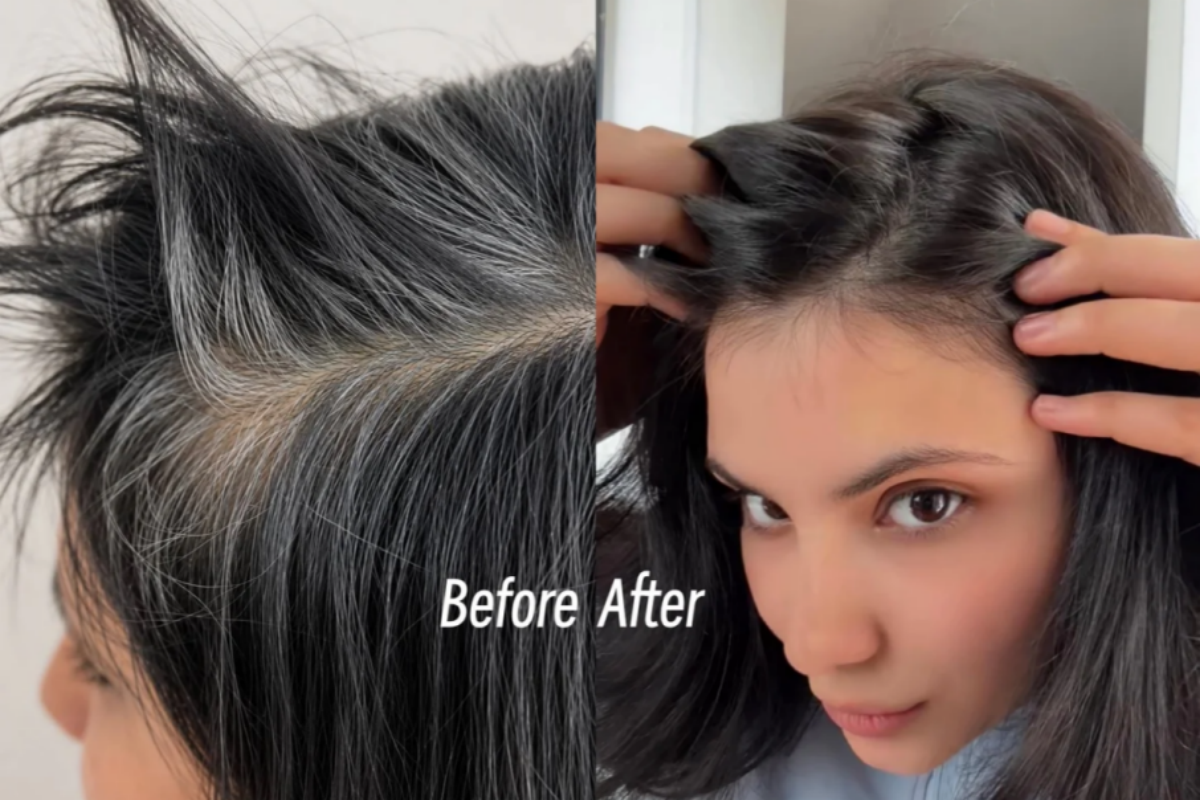

How to Touch Up Your Roots at Home: Is It Time for a Root Touch-Up?
Are your roots starting to show? If your color is growing out and you're wondering whether it's time to refresh it, a simple root touch-up may be exactly what you need. Touching up your roots at home can help cover gray hair, blend regrowth, and keep your color looking fresh without recoloring your entire head. Whether you're maintaining salon color or using at-home hair dye, this guide will show you when to touch up your roots, how to do it correctly, and how to achieve natural-looking results. What Is a Root Touch-Up? A root touch-up is the process of applying hair color only to the new hair growth near the scalp rather than recoloring your entire head. Since hair typically grows about ½ inch (1–1.5 cm) per month, most people begin to notice visible roots within four to six weeks after coloring. Touching up only the roots helps: Cover gray hair Blend natural regrowth Refresh your overall color Reduce chemical exposure to previously colored hair Minimize dryness and breakage When Should You Touch Up Your Roots? If you've already read “The Myth of Permanent Damage: Is It Bad to Touch Up Your Roots Every 4 Weeks?”, you already know that a four-week touch-up schedule is not automatically harmful when it is done correctly. In fact, for many people, regular root maintenance is simply part of keeping color looking even and polished. The right timing still depends on your hair color, growth rate, and how noticeable the contrast is between your natural roots and your dyed shade. As a general guideline: Hair Type Recommended Touch-Up Time Gray coverage Every 4–6 weeks Dark roots with blonde hair Every 4–5 weeks Brunette shades Every 5–7 weeks Fashion colors As needed, depending on fading If your roots have grown longer than about one inch, blending the color may become more challenging. That is why many people choose to refresh their roots before the regrowth becomes too obvious. How to Touch Up Your Roots at Home Hair dye kit + gloves + tint brush + mixing bowl (if needed) + clips + old towel + petroleum jelly + timer → gather everything first so the process stays smooth. Then start with dry, unwashed hair → divide it into four sections → apply color only to the visible roots → avoid overlapping onto old color → leave it on for the recommended processing time → add a little warm water and gently massage to emulsify → rinse well and finish with a color-safe conditioner. Common Root Touch-Up Mistakes Avoid these common errors: Mistake❗ Why It Matters Coloring the entire head every time Can lead to dryness and unnecessary damage Leaving the dye on too long May irritate the scalp without improving the color Applying too much product Makes blending more difficult Choosing the wrong shade Can create visible color differences Skipping the patch test Increases the risk of allergic reactions Small adjustments can make a big difference in achieving salon-like results. Frequently Asked Questions Can I touch up my roots without coloring the rest of my hair? Yes. In fact, this is the recommended approach for most permanent hair color maintenance. How long should I wait before touching up my roots? Most people need a touch-up every four to six weeks, depending on hair growth and gray coverage. Can I use the same shade every time? Generally, yes. Using the same shade helps maintain a consistent color, although you may wish to adjust the tone seasonally or if your hair condition changes. Is a root touch-up less damaging than coloring all of my hair? Yes. Coloring only the new growth exposes less hair to chemical processing, helping reduce dryness and breakage. Final Thoughts A root touch-up is one of the easiest ways to keep your hair color looking fresh without repeatedly coloring your entire head. By touching up only the new growth and following the correct application steps, you can maintain beautiful, even color while helping protect the health of your hair. If you find yourself wondering in the mirror whether it’s time for a root touch-up, a meticulous touch-up every few weeks can help maintain that fresh-from-the-salon look. Opting for a gentle, plant-based formula like VAAIG allows you to achieve rich, vibrant color while caring for your hair and scalp. Click the link to purchase: Ammonia-free, permanent, gentle hair dye for home use.
더 알아보기
What to Do If You Get Hair Dye on Your Clothes
Whether you're coloring your hair at home or touching up your roots, accidents can happen. One small drip of hair dye can leave a stubborn stain on your favorite shirt, towel, or pair of jeans. The good news? A hair dye stain doesn't always mean your clothing is ruined. Acting quickly and using the right cleaning method can often remove or significantly reduce the stain. In this guide, we'll explain what to do if hair dye gets on your clothes, which cleaning methods work best for different fabrics, and how to prevent stains the next time you color your hair. Why Is Hair Dye So Difficult to Remove? Hair dye is designed to create long-lasting color by binding to hair fibers. Unfortunately, fabric fibers can also absorb those pigments. Permanent hair dye is usually the most difficult to remove because it contains oxidative color molecules that continue developing after application. Semi-permanent and temporary dyes are generally easier to clean, especially if treated immediately. The sooner you act, the better your chances of completely removing the stain. 👉Want a cleaner, more controlled dyeing experience at home? See how it works here 4 Quick Steps to Remove Hair Dye from Clothes Step What to Do Best For Tips Step 1: Blot Immediately ✅ Gently blot the stain with a clean paper towel or cloth, then rinse from the back with cold water. Fresh, wet stains Do blot gently to lift excess dye. Do not rub the fabric, or the dye may spread deeper into the fibers. Step 2: Use Laundry Detergent ✅ Apply liquid laundry detergent directly to the stain, let it sit for 10–15 minutes, then rinse and wash. Fresh stains on washable fabrics This is often enough for light or recent stains. Do not use hot water at this stage. Step 3: Try Vinegar + Dish Soap ✅ Mix white vinegar, dish soap, and warm water, then dab it onto the stain and let it sit before rinsing. Cotton and polyester fabrics Repeat if needed, but always test on a hidden area first. Avoid scrubbing too hard. Step 4: Use an Oxygen-Based Stain Remaover ✅ Apply an oxygen-based stain remover according to the product instructions. Stubborn stains on washable fabrics Follow the label carefully for best results. Avoid chlorine bleach unless the care label specifically allows it. Special Note ❗ Delicate Fabrics For silk, wool, cashmere, or rayon, use cool water, a mild detergent, and very gentle blotting only. Delicate or dry-clean-only fabrics Avoid vigorous scrubbing and harsh chemicals. If the stain is large or set in, consider professional dry cleaning. Can You Remove Dried Hair Dye Stains? Yes—but it becomes more difficult once the stain has dried. For older stains: Soak the garment in cool water for 30–60 minutes. Apply liquid detergent or an oxygen-based stain remover. Let it sit before washing. Repeat the process if necessary. Avoid placing stained clothing in the dryer until the stain is completely gone, as heat can permanently set the color. Common Mistakes to Avoid Many people accidentally make the stain worse. Avoid these mistakes: Mistake Why to Avoid It ❌ Rubbing the stain aggressively This can push the dye deeper into the fabric fibers and make the stain harder to remove. ❌ Using hot water immediately Hot water may cause the stain to set more quickly. ❌ Drying the garment before checking the stain Heat from the dryer can permanently lock in the color. ❌ Mixing different cleaning chemicals together Combining products can damage fabric and may create unsafe fumes. ❌ Ignoring the garment's care instructions Different fabrics require different cleaning methods, and following the label helps prevent damage. A little patience often produces better results than harsh scrubbing. How to Prevent Hair Dye from Staining Clothes The easiest stain to remove is the one that never happens. Before coloring your hair: Wear an old T-shirt or salon cape. Cover nearby towels and surfaces. Wear disposable gloves. Keep paper towels nearby for quick cleanup. Apply hair dye carefully to avoid drips. Choosing a hair dye that is easy to apply can also help reduce accidental spills. At VAAIG, our plant-based hair color formula is smooth and easy to control, helping users achieve even color application and minimize mess during the coloring process. 👉Shop Now Frequently Asked Questions Can hair dye permanently stain clothes? It can, especially if it is left untreated for a long time. Prompt cleaning gives you the best chance of removing the stain. Does hot water remove hair dye stains? No. Hot water may cause the stain to set more deeply into the fabric. Cool or cold water is usually the better first choice. Is bleach safe for removing hair dye stains? Not always. Chlorine bleach may damage colored fabrics. Oxygen-based stain removers are generally a safer option for many washable garments. Can baking soda remove hair dye from clothes? Baking soda may help with light stains when combined with detergent, but it is usually less effective than dedicated stain-removing products. Final Thoughts Getting hair dye on your clothes can be annoying, but it is usually not a big problem. With quick action and the right cleaning method, most stains can be reduced or removed. And for your next coloring session, a little preparation can make all the difference. Choosing an easy-to-apply formula like VAAIG can also help reduce messy spills, so you can focus more on enjoying your color and less on worrying about your clothes. 👉Want a cleaner, more controlled dyeing experience at home? See how it works here
더 알아보기
Does Hair Dye Cause Hair Loss? The Answer Is No.
Hair coloring is one of the easiest ways to refresh your look, cover gray hair, or try a new style. But if you've ever noticed extra strands in your brush after coloring, you may have asked yourself Does hair dye actually cause hair loss? The short answer is no, not usually. In most cases, hair dye does not cause permanent hair loss. What it can cause, however, is hair breakage, dryness, or temporary scalp irritation if the formula is too harsh or if your hair is already weakened. That is why many people are now turning to gentler alternatives such as VAAIG, a mild plant-based hair dye designed for people who want beautiful color with less stress on the hair and scalp. Hair Loss vs. Hair Breakage: What's the Difference? Many people confuse hair loss with hair breakage, but they are not the same thing. Hair loss happens when hair falls out from the root. It may be related to genetics, hormones, stress, illness, medications, or scalp conditions. Hair breakage happens when the hair shaft becomes dry, weak, or brittle and snaps before it reaches its full length. If you see shorter broken pieces of hair rather than full strands with a tiny white bulb at the end, you are most likely dealing with breakage, not true hair loss. If you notice that your hair seems to be falling out after dyeing, try not to panic right away. In some cases, this may simply be normal shedding that becomes more noticeable after washing or combing. In other cases, you may already have an underlying hair loss issue, and the coloring process may make it seem worse. If the shedding becomes more obvious after using a dye, it is also worth considering whether the formula contains irritating or overly strong ingredients that may be stressing the scalp. How Hair Dye Can Damage Hair: Chemical Dyes vs. Plant-Based Dyes Hair dye works by changing the hair structure so color can be deposited or developed inside the strand. Traditional chemical dyes often rely on stronger ingredients such as ammonia, peroxide, or other alkaline agents to open the cuticle and create long-lasting color. While these formulas can be effective, they may also: Dry out the hair Make strands feel rough or brittle Increase the risk of breakage Leave already damaged hair looking weaker This is especially true if you color your hair often, bleach it repeatedly, or leave the dye on longer than recommended. Chemical Hair Dye Chemical hair dyes are usually chosen for strong gray coverage, dramatic color changes, or long-lasting results. However, because they work more aggressively, they can be more irritating to both the hair and scalp, especially for people with sensitive skin or fragile hair. Plant-Based Hair Dye Plant-based hair dyes are often a gentler option for people who want to reduce harsh chemical exposure. They are typically designed to be milder on the scalp and less drying on the hair. VAAIG is a good example of this approach. As a gentle plant-based hair dye, VAAIG is made for users who want rich color while being more mindful of hair comfort and scalp sensitivity. For people who are worried about dryness, breakage, or irritation, choosing a softer formula can make the coloring experience feel much more manageable.👉The Secret Behind Vaaig Hair Dye’s Gentle Care Scalp Irritation Does Not Usually Cause Permanent Hair Loss Some people experience itching, redness, burning, or dryness after coloring their hair. This can happen when the scalp reacts to certain ingredients or when the formula is too strong for sensitive skin. Common signs of scalp irritation include: Itching Redness Burning or stinging Dry or flaky skin In rare cases, an allergic reaction to ingredients such as PPD (para-phenylenediamine) may occur. If that happens, you should stop using the product and seek medical advice if the reaction is severe. The important thing to understand is that scalp irritation does not usually lead to permanent hair loss. Temporary shedding may happen if the scalp becomes inflamed, but this is not the same as permanent follicle damage. Once the irritation settles and the scalp recovers, hair growth usually returns to normal. This is why a patch test is so important before using any hair dye, even a gentler one. If you want to learn more about when it is best to avoid coloring your hair and how to dye it more safely, you can also read our related articles: 7 At-Home Hair Coloring Mistakes—and How to Avoid Them Things you need to know before dyeing your hair Frequently Asked Questions Can hair dye cause permanent hair loss? For most people, no. Hair dye does not usually cause permanent hair loss when used properly. It may cause breakage or temporary irritation, but not lasting follicle damage. Why does my hair seem thinner after coloring? Coloring can make hair feel drier and more fragile, which may lead to breakage. This can make hair appear thinner even if it is not actually falling out from the root. Is plant-based hair dye safer? Plant-based hair dye is often gentler than traditional chemical formulas, especially for people with sensitive scalps or dry hair. Can scalp irritation from hair dye cause hair loss? Scalp irritation may sometimes cause temporary shedding, but it does not usually lead to permanent hair loss. If irritation is severe or ongoing, stop using the product and consult a professional. Final Thoughts Hair dye does not usually cause permanent hair loss, but it can contribute to breakage, dryness, or temporary scalp irritation if the formula is too harsh or the hair is already weakened. Understanding the difference between hair loss and hair breakage can help you make better choices for your hair. If you want a gentler coloring experience, a plant-based hair dye like VAAIG may be a smart option for reducing stress on both the hair and scalp. The best way to protect your hair is to choose the right formula, avoid coloring when your scalp is irritated or your hair is damaged, and always care for your hair before and after coloring. With the right approach, you can enjoy beautiful color while keeping your hair looking healthy, soft, and strong.
더 알아보기
How Long Does Hair Dye Last? Shelf Life, Storage, and Skin Irritation
If you've found an old box of hair dye in your bathroom cabinet—or already opened a kit and didn't use it all—you may be wondering how long it stays good. The short answer is yes, hair dye expires, and once opened, it should be used as soon as possible. Old, expired, or poorly stored dye may lead to weak color, uneven coverage, poor gray coverage, or even scalp irritation. Here's a quick guide to shelf life, safe disposal, and what to do if hair dye ingredients cause irritation. Does Hair Dye Have an Expiration Date? Yes. Most permanent hair dyes last about 2–3 years unopened when stored properly. Always check the box for an expiration date or batch code. If the product is very old and you can't confirm the date, it's safer to replace it. How Long Does Hair Dye Last After Opening? Once opened, hair dye can lose stability faster because it is exposed to air and moisture. For best results: Keep the cap tightly closed. Store it in a cool, dry place. Avoid humid areas like the bathroom counter. Use it as soon as possible. If the color cream and developer have already been mixed, do not save the leftover product. Mixed dye should be discarded after use. Signs Your Hair Dye Has Gone Bad Before using hair dye, check for: Expired date Separated or watery texture Strange smell Thickened or dried-out formula Damaged packaging Product stored too long after opening If you notice any of these signs, replace it. What Happens When Hair Dye Expires? Expired hair dye may: Give uneven or patchy color Cover gray hair poorly Fade faster Change in texture or smell Perform unpredictably It may not always be dangerous, but it usually won't work as intended. How to Dispose of Expired Hair Dye Safely If your hair dye is expired, mixed, or looks spoiled, throw it away instead of using it. Unmixed expired dye: Seal it in the original packaging or a bag before discarding. Mixed dye: Let it sit in the container until fully cooled and then throw it out according to local waste rules. Do not reuse leftover mixed dye. Avoid pouring large amounts down the drain if your local area has specific disposal guidance. If you're unsure, check your local household waste instructions. What If Hair Dye Ingredients Cause Irritation? Some hair dyes contain ingredients such as ammonia, peroxide, PPD, or resorcinol, which may irritate sensitive skin or the scalp. If the product is expired, poorly stored, or simply not suited to your skin, the risk of irritation may be higher. If you notice burning, itching, redness, swelling, stinging, or a rash, take it seriously. What to Do Right Away Rinse the area immediately with plenty of lukewarm water. Stop using the product right away. Do not apply more dye to the irritated area. Remove any contaminated gloves, towels, or clothing. Seek medical help if the reaction is severe, spreads, or does not improve. If you experience trouble breathing, facial swelling, hives, or dizziness, get emergency medical care immediately. How to Reduce the Risk Always do a patch test before coloring, especially if you have sensitive skin or a history of reactions. Never use dye that is expired, separated, or smells unusual. Avoid coloring if your scalp is already irritated, scratched, or sunburned. Follow the instructions carefully and do not leave the product on longer than recommended. If you prefer a gentler option, VAAIG offers a mild plant-based hair dye designed for at-home coloring with a softer formula. Even with a gentler product, a patch test is still a smart step before full application. Why Fresh Hair Dye Matters Fresh hair dye gives you the most reliable color, the best gray coverage, and a smoother coloring experience. Once a hair dye box has been opened, the formula can gradually lose stability, so it is always best to use it as soon as possible instead of letting it sit for too long. Using fresh product helps ensure: Rich, even color Better gray coverage Smoother application More predictable results A lower chance of disappointing or uneven color Fresh dye, used on time, is one of the simplest ways to get safer and more beautiful results at home. Frequently Asked Questions How Long Does Unopened Hair Dye Last? Most unopened permanent hair dyes last about 2–3 years if stored correctly. Can You Use Expired Hair Dye? It is not recommended. Expired dye may still look normal, but the result can be weak, uneven, or irritating to the scalp. Can Expired Hair Dye Damage Your Hair? It is more likely to give poor color than to damage healthy hair directly, but because the result is unpredictable, it is best not to use it. Final Thoughts Use fresh hair dye whenever possible to protect your hair and avoid unnecessary damage or irritation. Fresh product gives you safer, more reliable results.
더 알아보기
How Long Should You Leave Hair Dye On? A Complete Timing Guide
Processing time plays a major role in how well hair dye develops. The right timing depends on the formula, your hair condition, and whether you're covering gray hair or changing your shade completely. Rinsing too early can lead to weak or uneven color, while leaving dye on too long may dry out the hair without improving the result. Here's what to know. Why Processing Time Matters Hair dye works by allowing color pigments to penetrate the hair shaft. During the recommended processing time, the color develops gradually and evenly. Processing your hair for the correct amount of time helps: Achieve even color from roots to ends Improve gray hair coverage Maximize color vibrancy Reduce the risk of patchy results Maintain healthier-looking hair Following the instructions included with your hair color kit is always the best practice. How Long Should You Leave Permanent Hair Dye On? For most permanent hair dyes, the recommended processing time is: 30–45 minutes This gives the color enough time to fully develop while helping achieve consistent results. If you're using VAAIG Permanent Hair Color, different hair types may require slightly different processing times, usually around 30–40 minutes. For specific product details, please click here:👉At-Home Color for Sensitive Scalps Does Gray Hair Need More Time? Gray hair is often more resistant because its texture can be coarser and less porous. For better gray coverage: Apply color to gray areas first. Follow the maximum processing time recommended by the manufacturer. Make sure every strand is fully saturated. Avoid extending the processing time beyond the instructions, as this usually won't improve coverage and may increase dryness. Can You Leave Hair Dye On Longer? Many people assume longer means darker or longer-lasting color. In reality, once the color has fully developed, leaving it on significantly longer provides little additional benefit. Instead, it may: Dry out the hair Irritate the scalp Increase the chance of unnecessary damage More time doesn't always mean better results. What Happens If You Rinse Too Early? Rinsing before the recommended time can lead to: Uneven color Poor gray coverage Faster fading Less vibrant results Patience is worth it if you want salon-quality color at home. Tips for the Best Coloring Results Start Timing After Full Application Begin counting the processing time only after you've finished applying the dye to all of your hair. Apply Evenly Section your hair and fully saturate each section to ensure consistent color. Don't Guess the Time Use a timer instead of estimating. Even five or ten minutes can make a noticeable difference. Follow the Instructions Different brands and formulas are designed with specific processing times. Always follow the instructions provided with your hair color kit. Frequently Asked Questions Does Leaving Hair Dye On Longer Make It Darker? Usually, no. Once the color has fully developed, extending the processing time generally won't make the color darker. Can I Shorten the Processing Time? It's not recommended. Rinsing early may prevent the color from developing properly. Should Gray Hair Stay Longer Than Regular Hair? Gray hair often benefits from using the full recommended processing time, but avoid exceeding the manufacturer's instructions. Final Thoughts Getting the timing right helps you achieve even, vibrant color at home. Follow the recommended processing time and pair it with proper aftercare for the best results. 🔗 Related Reading: What's the Best Way to Wash Your Hair After Dyeing? How to Repair Damaged Hair After Coloring
더 알아보기
Sulfate-Free Shampoo for Color-Tr eated Hair: Does It Really Make a Difference?
If you color your hair at home or in the salon, choosing the right shampoo can help your color look fresher for longer. One of the most common recommendations is to switch to a sulfate-free shampoo. But what does that actually mean—and is it really worth it? Here’s a simple guide to sulfate-free shampoo and why it matters for color-treated hair. What Is Sulfate-Free Shampoo? Sulfates are cleansing ingredients often found in traditional shampoos, such as Sodium Lauryl Sulfate (SLS) and Sodium Laureth Sulfate (SLES). They create a rich lather and remove oil and buildup effectively. The downside is that they can also be a little too strong for colored hair, sometimes stripping away moisture and making color fade faster. Sulfate-free shampoos use gentler cleansing agents that help clean the hair without being as harsh. Why Color-Treated Hair Benefits from It Hair color can make the hair cuticle more vulnerable, which means color-treated hair often needs extra care. A gentler shampoo can help: Reduce dryness Help color stay vibrant longer Keep hair softer and smoother Support healthier-looking shine This is especially helpful if your hair is bleached, damaged, or covered with gray color. Does Sulfate-Free Shampoo Really Help? Yes—especially if you want to slow down fading. No shampoo can stop color from fading completely, but sulfate-free formulas are less likely to strip away pigment and moisture. That makes them a smart choice for anyone who colors their hair regularly. Just as important, the way you wash your hair matters too. Even the best shampoo works better when you follow a color-safe routine, like waiting the right amount of time after coloring and avoiding overly hot water. If you need a step-by-step routine, take a look at our guide on how to wash your hair after dyeing correctly. 👉Please click for related reading:how-to-wash-dyed-hair Who Should Use Sulfate-Free Shampoo? You may want to switch if: Your hair color fades quickly Your hair feels dry or rough You color your hair at home You cover gray hair Your hair is chemically treated or damaged If any of these sound familiar, a sulfate-free formula may be a better everyday option for your hair care routine. Ingredients to Look For vs. Ingredients to Avoid ✅ Ingredients to Look For ❌ Ingredients to Avoid Argan oil SLS Coconut oil SLES Keratin Harsh detergents Ceramides Excessive alcohol Aloe vera Strong clarifying agents These nourishing ingredients can help support softness, shine, and moisture, while the ingredients on the avoid list may make hair feel drier and can speed up fading. This is especially important if you use a gentle, plant-based hair dye like VAAIG. Because VAAIG is designed to be mild and non-irritating, pairing it with a harsh shampoo can undo some of the benefits of a more comfortable coloring experience. To help your color last longer and keep your hair feeling soft, it’s best to choose a shampoo that works with your color routine—not against it. Frequently Asked Questions Is sulfate-free shampoo better for gray hair coverage? Yes. Gray hair can be more porous and dry, so a gentler shampoo may help maintain softness and color. Will sulfate-free shampoo stop fading completely? No, but it can help slow fading and keep hair looking healthier. Can I use sulfate-free shampoo every day? Yes, but most color-treated hair does not need daily washing. Final Thoughts Sulfate-free shampoo is a simple switch that can make a real difference for color-treated hair. It helps cleanse more gently, supports moisture, and may help your color stay vibrant longer. If you want your hair color to look fresh and healthy, choosing a sulfate-free formula is a smart place to start.
더 알아보기