

VAAIG Blog
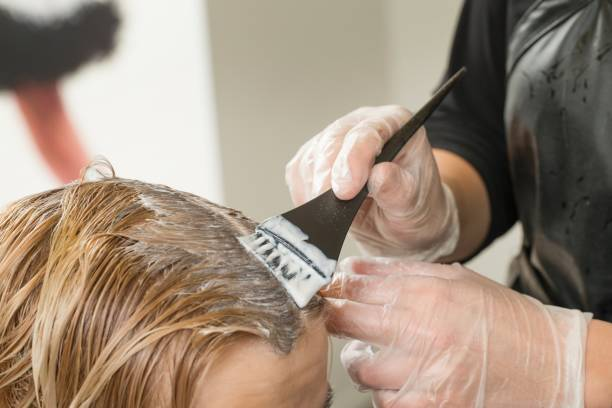

How Long Should You Leave Hair Dye On? A Complete Timing Guide
Processing time plays a major role in how well hair dye develops. The right timing depends on the formula, your hair condition, and whether you're covering gray hair or changing your shade completely. Rinsing too early can lead to weak or uneven color, while leaving dye on too long may dry out the hair without improving the result. Here's what to know. Why Processing Time Matters Hair dye works by allowing color pigments to penetrate the hair shaft. During the recommended processing time, the color develops gradually and evenly. Processing your hair for the correct amount of time helps: Achieve even color from roots to ends Improve gray hair coverage Maximize color vibrancy Reduce the risk of patchy results Maintain healthier-looking hair Following the instructions included with your hair color kit is always the best practice. How Long Should You Leave Permanent Hair Dye On? For most permanent hair dyes, the recommended processing time is: 30–45 minutes This gives the color enough time to fully develop while helping achieve consistent results. If you're using VAAIG Permanent Hair Color, different hair types may require slightly different processing times, usually around 30–40 minutes. For specific product details, please click here:👉At-Home Color for Sensitive Scalps Does Gray Hair Need More Time? Gray hair is often more resistant because its texture can be coarser and less porous. For better gray coverage: Apply color to gray areas first. Follow the maximum processing time recommended by the manufacturer. Make sure every strand is fully saturated. Avoid extending the processing time beyond the instructions, as this usually won't improve coverage and may increase dryness. Can You Leave Hair Dye On Longer? Many people assume longer means darker or longer-lasting color. In reality, once the color has fully developed, leaving it on significantly longer provides little additional benefit. Instead, it may: Dry out the hair Irritate the scalp Increase the chance of unnecessary damage More time doesn't always mean better results. What Happens If You Rinse Too Early? Rinsing before the recommended time can lead to: Uneven color Poor gray coverage Faster fading Less vibrant results Patience is worth it if you want salon-quality color at home. Tips for the Best Coloring Results Start Timing After Full Application Begin counting the processing time only after you've finished applying the dye to all of your hair. Apply Evenly Section your hair and fully saturate each section to ensure consistent color. Don't Guess the Time Use a timer instead of estimating. Even five or ten minutes can make a noticeable difference. Follow the Instructions Different brands and formulas are designed with specific processing times. Always follow the instructions provided with your hair color kit. Frequently Asked Questions Does Leaving Hair Dye On Longer Make It Darker? Usually, no. Once the color has fully developed, extending the processing time generally won't make the color darker. Can I Shorten the Processing Time? It's not recommended. Rinsing early may prevent the color from developing properly. Should Gray Hair Stay Longer Than Regular Hair? Gray hair often benefits from using the full recommended processing time, but avoid exceeding the manufacturer's instructions. Final Thoughts Getting the timing right helps you achieve even, vibrant color at home. Follow the recommended processing time and pair it with proper aftercare for the best results. 🔗 Related Reading: What's the Best Way to Wash Your Hair After Dyeing? How to Repair Damaged Hair After Coloring
Apprendre encore plus
Sulfate-Free Shampoo for Color-Tr eated Hair: Does It Really Make a Difference?
If you color your hair at home or in the salon, choosing the right shampoo can help your color look fresher for longer. One of the most common recommendations is to switch to a sulfate-free shampoo. But what does that actually mean—and is it really worth it? Here’s a simple guide to sulfate-free shampoo and why it matters for color-treated hair. What Is Sulfate-Free Shampoo? Sulfates are cleansing ingredients often found in traditional shampoos, such as Sodium Lauryl Sulfate (SLS) and Sodium Laureth Sulfate (SLES). They create a rich lather and remove oil and buildup effectively. The downside is that they can also be a little too strong for colored hair, sometimes stripping away moisture and making color fade faster. Sulfate-free shampoos use gentler cleansing agents that help clean the hair without being as harsh. Why Color-Treated Hair Benefits from It Hair color can make the hair cuticle more vulnerable, which means color-treated hair often needs extra care. A gentler shampoo can help: Reduce dryness Help color stay vibrant longer Keep hair softer and smoother Support healthier-looking shine This is especially helpful if your hair is bleached, damaged, or covered with gray color. Does Sulfate-Free Shampoo Really Help? Yes—especially if you want to slow down fading. No shampoo can stop color from fading completely, but sulfate-free formulas are less likely to strip away pigment and moisture. That makes them a smart choice for anyone who colors their hair regularly. Just as important, the way you wash your hair matters too. Even the best shampoo works better when you follow a color-safe routine, like waiting the right amount of time after coloring and avoiding overly hot water. If you need a step-by-step routine, take a look at our guide on how to wash your hair after dyeing correctly. 👉Please click for related reading:how-to-wash-dyed-hair Who Should Use Sulfate-Free Shampoo? You may want to switch if: Your hair color fades quickly Your hair feels dry or rough You color your hair at home You cover gray hair Your hair is chemically treated or damaged If any of these sound familiar, a sulfate-free formula may be a better everyday option for your hair care routine. Ingredients to Look For vs. Ingredients to Avoid ✅ Ingredients to Look For ❌ Ingredients to Avoid Argan oil SLS Coconut oil SLES Keratin Harsh detergents Ceramides Excessive alcohol Aloe vera Strong clarifying agents These nourishing ingredients can help support softness, shine, and moisture, while the ingredients on the avoid list may make hair feel drier and can speed up fading. This is especially important if you use a gentle, plant-based hair dye like VAAIG. Because VAAIG is designed to be mild and non-irritating, pairing it with a harsh shampoo can undo some of the benefits of a more comfortable coloring experience. To help your color last longer and keep your hair feeling soft, it’s best to choose a shampoo that works with your color routine—not against it. Frequently Asked Questions Is sulfate-free shampoo better for gray hair coverage? Yes. Gray hair can be more porous and dry, so a gentler shampoo may help maintain softness and color. Will sulfate-free shampoo stop fading completely? No, but it can help slow fading and keep hair looking healthier. Can I use sulfate-free shampoo every day? Yes, but most color-treated hair does not need daily washing. Final Thoughts Sulfate-free shampoo is a simple switch that can make a real difference for color-treated hair. It helps cleanse more gently, supports moisture, and may help your color stay vibrant longer. If you want your hair color to look fresh and healthy, choosing a sulfate-free formula is a smart place to start.
Apprendre encore plus
How Much Hair Dye Do You Need? A Quick Guide by Hair Length
One of the most common questions people ask before coloring their hair is: "How much hair dye do I actually need?" Using too little color can lead to uneven coverage, while using too much may simply waste product. Whether you're touching up roots or coloring your entire head, knowing the right amount helps you achieve better results. This quick guide will help you estimate how much hair dye you need based on your hair length and thickness. Why Hair Dye Quantity Matters Hair length isn't the only factor that determines how much color you'll need. Hair thickness, texture, and the type of coloring service also play a role. Using enough dye helps ensure: Even coverage from roots to ends More consistent color results Fewer missed spots Better gray coverage Less need for reapplication Hair Dye Amount Chart by Hair Length Hair Length Typical Length Recommended Amount Very Short Hair Pixie cut, cropped styles 1 box (about 100 ml) Short Hair Above shoulders 1 box Medium Hair Shoulder-length 1–2 boxes Long Hair Below shoulders to mid-back 2 boxes Extra Long Hair Waist length or longer 2–3 boxes Thick or Curly Hair Any length Add an extra box Pro Tip: If you're unsure, it's always better to have extra dye than to run out halfway through the application. Standard Hair Dye vs. VAAIG Hair Dye While the amount of dye needed depends mainly on hair length and thickness, the formula itself can make a big difference in the coloring experience and final results. Feature Standard Hair Dye ✅ VAAIG Hair Dye Coverage ⚪ Basic color coverage ✅ Rich, even coverage from roots to ends Gray Coverage ❌ May require multiple applications ✅ Designed for effective gray coverage Hair Care Ingredients ❌ Often limited ✅ Enriched with nourishing ingredients to help maintain softness and shine Color Longevity ❌ Color may fade quickly ✅ Long-lasting, vibrant color Application ⚪ Standard formula ✅ Smooth, easy-to-apply cream texture Hair Feel After Coloring ❌ Can leave hair feeling dry ✅ Helps hair feel softer and healthier-looking Shine ⚪ Average shine ✅ Glossy, salon-inspired finish User Experience ⚪ Basic coloring experience ✅ Easy at-home application with professional-looking results Suitable For ⚪ General coloring needs ✅ Perfect for at-home users seeking salon-quality color How Many Boxes of VAAIG Hair Dye Do You Need? Hair Type or Length Recommended Amount Pixie cuts or short bobs 1 box Fine hair above shoulder length 1 box Shoulder-length hair 1–2 boxes Long or layered hair 2 boxes Thick hair 2 boxes Extra-long hair 2–3 boxes Curly or textured hair 2–3 boxes Balayage or ombré applications 2–3 boxes Having enough product helps ensure complete saturation and more professional-looking results. Root Touch-Up vs. Full-Head Color Different coloring goals require different amounts of dye. Application Type Recommended Amount Root Touch-Up Usually 1 box Gray Root Coverage Usually 1 box Full-Head Color Refresh 1–2 boxes Complete Color Change 2 boxes or more Long or Thick Hair Full Application 2–3 boxes 5 Tips to Avoid Running Out of Hair Dye 1. Consider Hair Thickness, Not Just Length Thick hair may require up to 50% more product than fine hair of the same length. 2. Buy an Extra Box Just in Case Running out of dye midway through the process can result in uneven color. 3. Section Your Hair Properly Applying color in sections helps ensure every strand is covered evenly. 4. Fully Saturate the Hair Hair should be completely coated for consistent color and better gray coverage. 5. Follow the Recommended Processing Time Removing the dye too early may affect color intensity and longevity. Frequently Asked Questions Is One Box Enough for Shoulder-Length Hair? If your hair is fine, one box may be enough. For average or thick shoulder-length hair, two boxes are usually recommended for complete coverage. Can I Save Leftover Mixed Dye? No. Once the color and developer are mixed, the chemical process begins immediately. Any unused mixture should be discarded. Should I Use More Dye for Gray Coverage? Not necessarily. Proper saturation and following the recommended processing time are more important than using excessive amounts of dye. Final Thoughts Knowing how much hair dye you need can save time, money, and frustration. While hair length and thickness are the biggest factors, choosing the right formula is just as important for achieving even, long-lasting color. At VAAIG, we believe at-home hair coloring should be simple, reliable, and salon-inspired. Whether you're covering gray roots, refreshing faded color, or transforming long locks, using the right amount of VAAIG Hair Dye helps ensure complete coverage, vibrant results, and hair that looks soft and healthy after coloring. 👉Purchase link:At-Home Color for Sensitive Scalps When in doubt, it's always better to have a little extra hair dye than not enough.
Apprendre encore plus
7 At-Home Hair Coloring Mistakes—and How to Avoid Them
Changing your hair color can be exciting, whether you're trying a subtle refresh or a dramatic transformation. However, even the best hair color can fade quickly or leave your hair feeling dry and damaged if you make a few common mistakes. This is especially true when coloring your hair at home, where it's easier to overlook important steps or apply products incorrectly. The good news is that most coloring problems are preventable. Below, we'll first look at the most common hair dye mistakes—especially those people make at home—and then explore practical ways to avoid them and keep your color vibrant and your hair healthy. Part 1: 7 Common Hair Dye Mistakes 1. Coloring Your Hair Too Soon After the Last Session Frequent touch-ups may seem like the best way to maintain fresh color, especially when dyeing your hair at home, but over-processing can weaken the hair shaft and increase breakage. 2. Skipping a Patch Test Even if you've used hair dye before, formulas and ingredients can change. Ignoring a patch test may lead to unexpected allergic reactions, including redness, itching, or swelling. This step is often overlooked during at-home coloring sessions. 3. Dyeing Damaged or Extremely Dry Hair Hair that is already dry or weakened tends to absorb color unevenly and is more vulnerable to breakage after coloring. This can be particularly noticeable when applying dye at home without first assessing your hair's condition. 4. Using Heat Tools Without Protection Frequent use of blow dryers, curling irons, and flat irons without heat protection can strip moisture from the hair and accelerate color fading. 5. Washing Your Hair Too Soon After Coloring Freshly dyed hair needs time for the color to settle into the cuticle. Washing too soon can cause premature fading, a common mistake among people who color their hair at home and expect immediate results. 6. Neglecting Moisture and Deep Conditioning Hair coloring can reduce natural moisture levels, leaving strands dry, frizzy, and lacking shine if proper hydration is ignored. This is especially important for those who regularly dye their hair at home. 7. Ignoring Sun and Chlorine Damage UV rays and chlorinated water can gradually dull your hair color and affect the overall texture of your hair, regardless of whether you color at home or in a salon. Part 2: How to Avoid These Hair Dye Mistakes Give Your Hair Enough Time Between Coloring Sessions Wait 4–8 weeks between color appointments, depending on your hair type and shade. Focus on root touch-ups instead of recoloring your entire head each time. Use color-refreshing shampoos or gloss treatments to maintain vibrancy between sessions. Allowing your hair time to recover helps preserve shine and minimize damage. This is especially important if you frequently color your hair at home. Always Perform a Patch Test Conduct a patch test 48 hours before every coloring session. Carefully follow the instructions provided with the dye. Stop using the product immediately if irritation occurs and seek medical advice if necessary. Prioritizing safety is essential for a successful coloring experience, particularly when dyeing your hair at home without professional supervision. Strengthen Hair Before Coloring Evaluate your hair's condition before applying dye. Use deep-conditioning treatments for one to two weeks if your hair feels dry or brittle. Trim split ends regularly. Consider bond-building treatments to reinforce weakened strands. Healthy hair provides the best foundation for beautiful, even color, whether you're coloring at home or visiting a salon. Wait Before Washing Newly Colored Hair Avoid shampooing for at least 48–72 hours after coloring. Wash with lukewarm water instead of hot water. Choose sulfate-free shampoos formulated for color-treated hair. Related reading on sulfate-free shampoos: The differences regarding sulfate-free shampoos for color-treated hair. These simple habits can help your color last longer, especially after an at-home dye session. Protect Hair from Heat Damage Apply a heat protectant before using styling tools. Use lower temperature settings whenever possible. Let your hair air-dry occasionally to reduce heat exposure. Reducing heat damage helps maintain both color and hair health. Keep Your Hair Moisturized Use a nourishing hair mask once or twice a week. Add leave-in conditioners or lightweight oils to your routine. Look for ingredients such as argan oil, keratin, and ceramides. Well-hydrated hair appears shinier and helps color stay vibrant. Regular moisturizing is particularly beneficial for people who frequently color their hair at home. Shield Your Hair from Sun and Chlorine Wear a hat when spending extended periods outdoors. Use hair products with UV protection during sunny months. Wet your hair with clean water before swimming and rinse thoroughly afterward. Wear a swim cap if you swim regularly. Protecting your hair from environmental stressors helps preserve both color and texture. Final Thoughts Hair coloring doesn't have to come at the expense of healthy hair. Understanding the most common mistakes and adopting the right care habits can help you enjoy vibrant, long-lasting color while keeping your hair soft, shiny, and strong. Whether you color your hair at home or visit a salon, paying attention to these details can make a significant difference. In fact, many hair dye mishaps happen during DIY coloring sessions, so taking a little extra care at home can help you achieve beautiful results that last for weeks.
Apprendre encore plus
How to Repair Damaged Hair After Coloring: Simple Tips for Healthier, Stronger Hair
Hair coloring can transform your look, but it can also leave your hair feeling dry, fragile, and prone to breakage. Whether you've recently dyed, highlighted, or bleached your hair, proper aftercare is essential for maintaining healthy, vibrant strands. In this guide, we'll explore the common causes of color-related hair damage and share practical tips to help restore moisture, improve strength, and keep your color-treated hair looking its best. Why Does Hair Feel Damaged After Coloring? Hair color works by opening the hair cuticle so color pigments can penetrate the hair shaft. While this process creates beautiful, long-lasting color, it can also reduce moisture levels and weaken the hair's protective outer layer. Common signs of color-related hair damage include: Dryness and dehydration Frizz and flyaways Dull-looking hair Split ends Increased breakage Rough texture If you've recently colored or bleached your hair, these changes are completely normal and can often be improved with proper aftercare. 1. Focus on Moisture First One of the biggest challenges for color-treated hair is moisture loss. Using hydrating hair products can help replenish moisture and improve overall hair texture. Consider: A moisturizing shampoo designed for color-treated hair A nourishing conditioner after every wash Leave-in conditioners for added hydration Weekly moisture treatments Well-hydrated hair tends to look shinier, feel softer, and experience less frizz. 2. Use a Deep Conditioning Mask Weekly A quality hair mask can provide intensive hydration and nourishment that goes beyond what a regular conditioner offers. For best results: Apply primarily to mid-lengths and ends Leave on according to product instructions Use once or twice per week depending on your hair's condition Regular deep conditioning can help improve manageability and reduce the appearance of dryness caused by coloring. 3. Minimize Heat Styling Hair that has been colored or bleached is often more vulnerable to heat damage. Frequent use of: Flat irons Curling wands Hot brushes High-heat blow dryers can further weaken the hair and contribute to breakage. Whenever possible: Use lower heat settings Apply a heat protectant before styling Allow hair to air-dry partially before blow-drying Reducing heat exposure can make a noticeable difference in the health of color-treated hair. 4. Wash Hair Gently Overwashing can strip natural oils and cause color to fade more quickly. To help maintain both hair health and color vibrancy: Avoid washing more often than necessary Use lukewarm water instead of hot water Massage the scalp gently with your fingertips Choose sulfate-free products when suitable for your hair type A gentle washing routine can help preserve moisture while extending the life of your color. 👉Related Articles:VAAIG Shampooing Guide 5. Trim Split Ends Regularly Unfortunately, split ends cannot truly be repaired once they occur. Regular trims help: Prevent splits from traveling further up the hair shaft Improve the appearance of your hair Reduce tangling and breakage Even a small trim every few months can help keep color-treated hair looking healthier. 6. Support Hair Health from Within Healthy hair starts with a healthy body. A balanced diet that includes: Protein Iron Zinc Omega-3 fatty acids Vitamins such as Biotin and Vitamin D can support stronger hair growth over time. While hair products play an important role, overall nutrition also contributes to long-term hair health. Final Thoughts Coloring your hair doesn't mean you have to live with dryness, frizz, or breakage. By focusing on hydration, minimizing heat damage, and following a gentle hair care routine, you can help your color-treated hair look healthier, shinier, and more manageable. It's also worth paying attention to the type of hair color you use. Traditional permanent hair dyes often rely on ingredients such as ammonia, peroxide, and synthetic colorants to open the hair cuticle and deposit color. While effective, repeated use of these chemicals may contribute to dryness, brittleness, and long-term hair damage, especially when combined with bleaching treatments. Plant-based alternatives are becoming increasingly popular among people looking for a gentler coloring experience. For example, VAAIG Plant Hair Dye uses naturally derived botanical ingredients to color hair while helping maintain moisture and softness. Unlike many conventional dyes that aggressively alter the hair structure, plant-based formulas are designed to be less harsh on both the hair and scalp, making them an appealing option for those with sensitive scalps or damaged hair concerns. If you're wondering whether your washing habits could be affecting your hair's condition, check out our guide on The Best Way to Wash Your Hair for practical tips on cleansing without causing unnecessary damage. And if you're planning your next color appointment, don't miss The Best Time to Dye Your Hair, where we discuss how timing and preparation can help you achieve better color results while keeping your hair in its best possible condition.
Apprendre encore plus
What's the Best Way to Wash Your Hair—Especially After Dyeing It?
Washing your hair seems simple enough. Most of us have been doing it for years without giving it much thought. But if you've ever struggled with an itchy scalp, dry ends, greasy roots, or hair color that fades too quickly, your washing routine may deserve a second look. What feels like a basic daily habit can actually have a significant impact on the overall condition of your hair and scalp. The truth is, how you wash your hair can affect everything from scalp comfort to the longevity of your hair color. And after coloring your hair, the right washing habits become even more important. Even small changes in your routine can help support healthier-looking hair and a more enjoyable hair care experience. So, what does a scalp-friendly, color-conscious hair washing routine actually look like? Let's take a closer look at the science behind proper hair washing and the simple steps that can help you maintain vibrant, beautiful color for longer. Part 1: The Science of Washing Your Hair Properly Start with lukewarm water—not hot water Hot showers may feel relaxing, but excessively hot water can strip away the scalp's natural oils and leave both the scalp and hair feeling dry. Over time, this may contribute to increased sensitivity, frizz, or a lack of shine. Lukewarm water helps cleanse effectively while preserving moisture balance. It allows shampoo to do its job without unnecessarily disrupting the scalp's protective barrier. This simple habit is especially beneficial for color-treated hair, as it may help maintain the appearance of your chosen shade for longer. Since dyed hair can already be more prone to dryness, avoiding extreme temperatures is a practical way to support its overall condition. Tip: If your scalp feels tight after washing, your water temperature may be too high. Turning the temperature down slightly can make your routine gentler and more comfortable without sacrificing cleanliness. Focus shampoo on the scalp, not the ends Healthy washing starts at the roots. Since the scalp is where oil, sweat, and product buildup accumulate, it deserves the majority of your attention during shampooing. Shampoo is designed to remove excess oil, sweat, and buildup from the scalp. The lather that runs down the hair shaft during rinsing is usually enough to cleanse the lengths of your hair. Scrubbing the ends aggressively can contribute to dryness and breakage over time. Hair lengths, especially if they have been colored or heat-styled regularly, tend to be more delicate and require a gentler approach. Treating your strands gently—especially after coloring—can help preserve softness and keep your hair looking its best. This simple adjustment may also help reduce tangling and improve manageability after washing. Use your finger pads—not your nails Your scalp doesn't need to be "scratched clean." In fact, using your nails can sometimes lead to unnecessary irritation or discomfort, particularly if your scalp is already sensitive. Instead, gently massage your scalp using the pads of your fingers for about one to two minutes. This helps distribute shampoo evenly and lift away buildup without causing unnecessary irritation. Think of it as scalp care rather than deep scrubbing. A gentle massage can also feel relaxing and encourage you to slow down and be more mindful during your routine. A gentle scalp-care routine can support overall comfort and help maintain healthier-looking hair over time. Since healthy-looking hair starts at the scalp, paying attention to this often-overlooked step can make a meaningful difference. Condition from mid-length to ends Conditioner works best where hair tends to be driest. For many people, this means focusing on the mid-lengths and ends rather than the scalp area. Applying it directly to the scalp may weigh down the roots, especially if you naturally produce more oil. This can leave hair looking flat sooner than expected after washing. For most people, focusing on the mid-lengths and ends provides the right balance of moisture and volume. Allowing the conditioner to sit for a few minutes before rinsing may also enhance its benefits. Regular conditioning can also help support smoother, more manageable hair after coloring. Since color-treated hair often requires additional hydration, this step can contribute to a softer feel and a healthier-looking appearance. Part 2: How to Wash Your Hair After Coloring Freshly colored hair needs a little extra attention. The period immediately following a coloring session is an important time to establish habits that support your desired results. The way you care for it during the first few weeks can influence how vibrant and long-lasting your color remains. While no routine can completely prevent fading, thoughtful care can help you enjoy your color for longer. Whether you've visited a salon or chosen the convenience of at-home coloring with a brand like VAAIG, these simple habits can help you get the most out of your new look. A few mindful adjustments can go a long way toward maintaining both color and comfort. Wait before your first wash In general, it's a good idea to wait 24–48 hours after coloring your hair before shampooing. This recommendation is commonly shared by hair care professionals and color enthusiasts alike. This allows the color to settle more completely and helps minimize early fading. Giving your hair a brief pause before the first wash may support a more vibrant appearance. Giving your hair this short resting period can help support better-looking, longer-lasting results. It can also provide an opportunity for your scalp to recover after the coloring process. Wash less frequently if possible Frequent washing can gradually remove color molecules from the hair shaft. While everyone's lifestyle and hair type are different, reducing wash frequency may help preserve your chosen shade. If your lifestyle allows, try spacing out wash days and using dry shampoo between washes when needed. This can be especially helpful for those with color-treated hair who want to extend the time between touch-ups. This approach may help extend the appearance of your color and reduce the need for frequent touch-ups. It may also encourage your scalp to maintain a more balanced oil production over time. Remember, there is no one-size-fits-all schedule. Finding a routine that works for your hair type, activity level, and personal preferences is key. Be gentle with freshly colored hair Colored hair may feel slightly drier than untreated hair. Avoid vigorous towel-drying or aggressive brushing immediately after washing. Instead, gently squeeze out excess water and use a soft towel to blot the hair dry. Small changes in handling can make a noticeable difference over time. Choosing a wide-tooth comb and detangling carefully from the ends upward may also help minimize unnecessary stress on the hair. Extending the same level of care you put into coloring your hair into your daily routine can help keep it looking healthy and vibrant. Consistency in these small habits often contributes to better long-term results. Choosing the Right Products Matters While good washing habits play a major role in maintaining healthy-looking color, the products you choose matter too. If you prefer coloring your hair at home, selecting a formula that aligns with your hair care priorities—whether that's ease of use, scalp comfort, or a more mindful ingredient approach—can make the overall experience more enjoyable. At VAAIG, we believe that coloring your hair should feel like an act of self-expression, not something that comes at the expense of comfort. Our gentle plant-based hair dye is designed for those who want beautiful color while being mindful of their scalp and everyday hair care routine. Because beautiful color doesn't end when the dyeing process is over—it's also about how you care for your hair afterward. Final Thoughts The "perfect" hair washing routine doesn't have to be complicated. In many cases, small adjustments—using gentler techniques, choosing the right water temperature, and adapting your routine after coloring—can help support a healthier scalp and longer-lasting color. When paired with products that suit your individual needs and lifestyle, these habits can help you enjoy a more positive coloring experience from start to finish. So the next time you step into the shower, remember: Washing your hair isn't just a routine. Done well, it's part of caring for both your scalp and your color.
Apprendre encore plus