

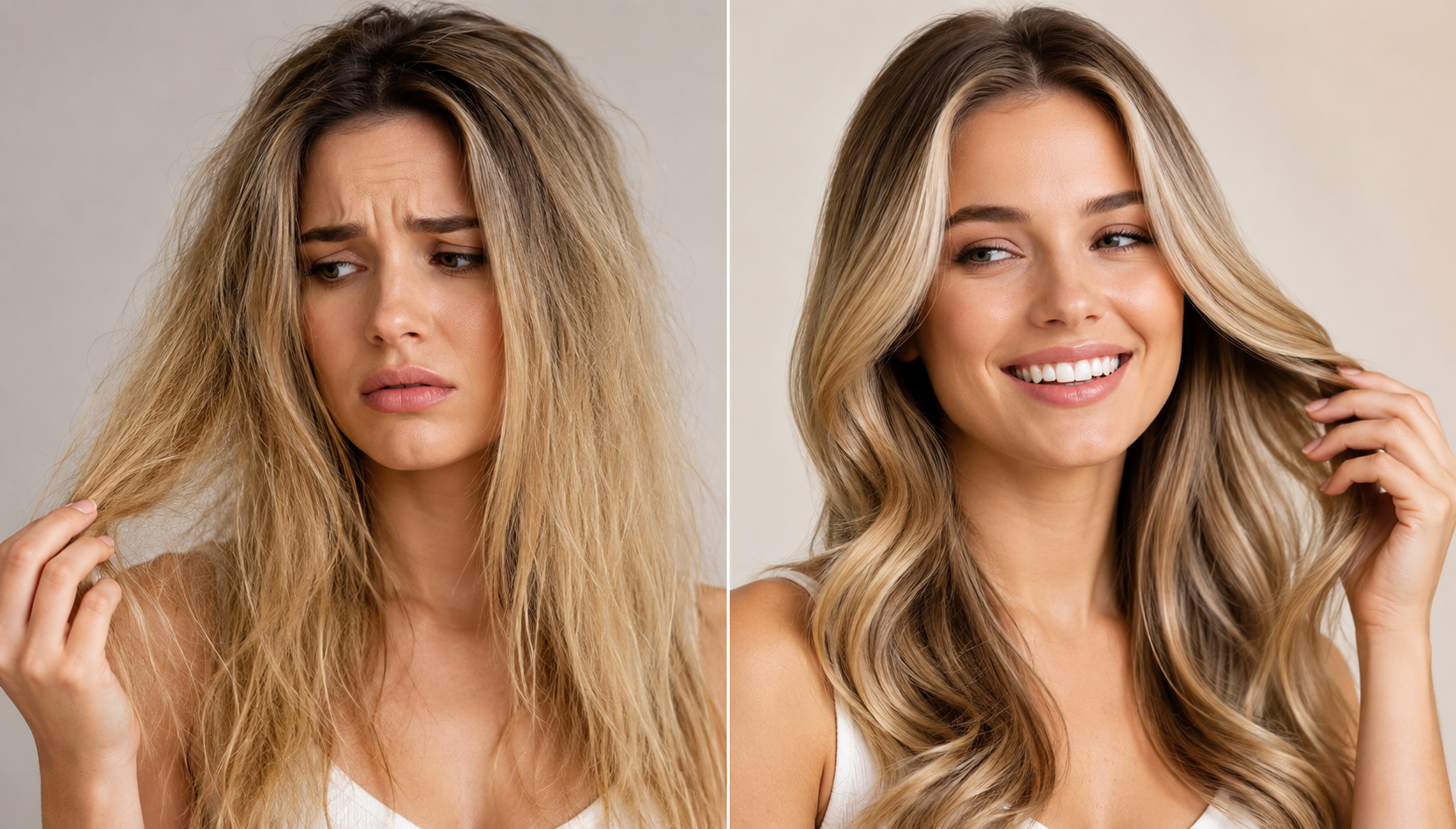
Changing your hair color can be exciting, whether you're trying a subtle refresh or a dramatic transformation. However, even the best hair color can fade quickly or leave your hair feeling dry and damaged if you make a few common mistakes. This is especially true when coloring your hair at home, where it's easier to overlook important steps or apply products incorrectly.
The good news is that most coloring problems are preventable. Below, we'll first look at the most common hair dye mistakes—especially those people make at home—and then explore practical ways to avoid them and keep your color vibrant and your hair healthy.
Part 1: 7 Common Hair Dye Mistakes
1. Coloring Your Hair Too Soon After the Last Session
Frequent touch-ups may seem like the best way to maintain fresh color, especially when dyeing your hair at home, but over-processing can weaken the hair shaft and increase breakage.
2. Skipping a Patch Test
Even if you've used hair dye before, formulas and ingredients can change. Ignoring a patch test may lead to unexpected allergic reactions, including redness, itching, or swelling. This step is often overlooked during at-home coloring sessions.
3. Dyeing Damaged or Extremely Dry Hair
Hair that is already dry or weakened tends to absorb color unevenly and is more vulnerable to breakage after coloring. This can be particularly noticeable when applying dye at home without first assessing your hair's condition.
4. Using Heat Tools Without Protection
Frequent use of blow dryers, curling irons, and flat irons without heat protection can strip moisture from the hair and accelerate color fading.
5. Washing Your Hair Too Soon After Coloring
Freshly dyed hair needs time for the color to settle into the cuticle. Washing too soon can cause premature fading, a common mistake among people who color their hair at home and expect immediate results.
6. Neglecting Moisture and Deep Conditioning
Hair coloring can reduce natural moisture levels, leaving strands dry, frizzy, and lacking shine if proper hydration is ignored. This is especially important for those who regularly dye their hair at home.
7. Ignoring Sun and Chlorine Damage
UV rays and chlorinated water can gradually dull your hair color and affect the overall texture of your hair, regardless of whether you color at home or in a salon.
Part 2: How to Avoid These Hair Dye Mistakes
Give Your Hair Enough Time Between Coloring Sessions
- Wait 4–8 weeks between color appointments, depending on your hair type and shade.
- Focus on root touch-ups instead of recoloring your entire head each time.
- Use color-refreshing shampoos or gloss treatments to maintain vibrancy between sessions.
Allowing your hair time to recover helps preserve shine and minimize damage. This is especially important if you frequently color your hair at home.
Always Perform a Patch Test
- Conduct a patch test 48 hours before every coloring session.
- Carefully follow the instructions provided with the dye.
- Stop using the product immediately if irritation occurs and seek medical advice if necessary.
Prioritizing safety is essential for a successful coloring experience, particularly when dyeing your hair at home without professional supervision.
Strengthen Hair Before Coloring
- Evaluate your hair's condition before applying dye.
- Use deep-conditioning treatments for one to two weeks if your hair feels dry or brittle.
- Trim split ends regularly.
- Consider bond-building treatments to reinforce weakened strands.
Healthy hair provides the best foundation for beautiful, even color, whether you're coloring at home or visiting a salon.
Wait Before Washing Newly Colored Hair
- Avoid shampooing for at least 48–72 hours after coloring.
- Wash with lukewarm water instead of hot water.
- Choose sulfate-free shampoos formulated for color-treated hair.
These simple habits can help your color last longer, especially after an at-home dye session.
Protect Hair from Heat Damage
- Apply a heat protectant before using styling tools.
- Use lower temperature settings whenever possible.
- Let your hair air-dry occasionally to reduce heat exposure.
Reducing heat damage helps maintain both color and hair health.
Keep Your Hair Moisturized
- Use a nourishing hair mask once or twice a week.
- Add leave-in conditioners or lightweight oils to your routine.
- Look for ingredients such as argan oil, keratin, and ceramides.
Well-hydrated hair appears shinier and helps color stay vibrant. Regular moisturizing is particularly beneficial for people who frequently color their hair at home.
Shield Your Hair from Sun and Chlorine
- Wear a hat when spending extended periods outdoors.
- Use hair products with UV protection during sunny months.
- Wet your hair with clean water before swimming and rinse thoroughly afterward.
- Wear a swim cap if you swim regularly.
Protecting your hair from environmental stressors helps preserve both color and texture.
Final Thoughts
Hair coloring doesn't have to come at the expense of healthy hair. Understanding the most common mistakes and adopting the right care habits can help you enjoy vibrant, long-lasting color while keeping your hair soft, shiny, and strong.
Whether you color your hair at home or visit a salon, paying attention to these details can make a significant difference. In fact, many hair dye mishaps happen during DIY coloring sessions, so taking a little extra care at home can help you achieve beautiful results that last for weeks.


