

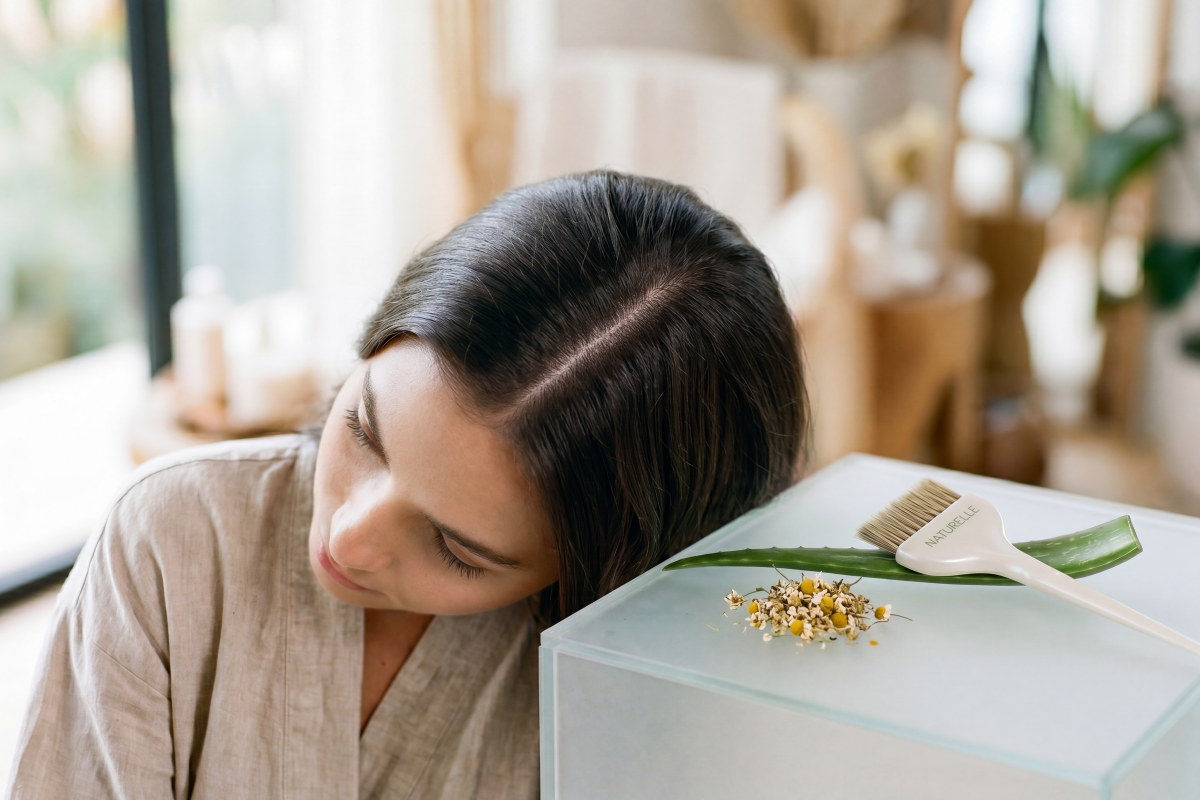
How to Color Your Hair Safely Without Irritation?
Beauty matters. But your scalp health matters more.
It often starts the same way.
A day after coloring your hair, you notice something feels off—itching, tightness, or a slight burning sensation.
Then it gets worse.
Redness appears. The scalp becomes irritated. In more severe cases, it may even lead to fluid or swelling.
This isn’t just “mild discomfort.”
It can be a form of contact dermatitis, triggered by a reaction to hair dye ingredients.
And here’s the truth most people overlook:
Even the most premium, gentle, or “clean” hair dye cannot replace one critical step — the patch test.

Why You Still Need a Patch Test — Even Without PPD
Many people believe:“If a hair dye is PPD-free, it won’t cause allergies.”That’s not entirely true.
PPD isn’t the only allergen
While PPD (p-phenylenediamine) is a well-known trigger, it’s far from the only one.
Hair dye formulas may still contain:
- Resorcinol
- Hydrogen Peroxide
- Alternative dye precursors
- Even certain botanical extracts
Each of these can trigger sensitivity in certain individuals.
Natural ingredients can still cause reactions
“Plant-based” doesn’t automatically mean non-allergenic.
In fact, some botanical ingredients are known to cause reactions in sensitive skin types.
Allergies are about your body—not just the ingredient list.
Your sensitivity can change over time
You might have used the same product before with no issues.
But your body isn’t static.Factors like:Stress,Hormonal changes,Sleep quality,Overall immunity.Can all influence how your skin reacts.
3 Essential Steps Before Coloring Your Hair (Especially for Sensitive Scalps)
Step 1 — Choose a gentler formula
Look for:
- Ammonia-free formulas
- PPD-free systems
- Transparent ingredient lists
If you’ve experienced irritation before, it may be worth exploring brands that focus on reducing unnecessary harsh chemicals.
For example, formulations like VAAIG’s plant-based hair color approach are designed to minimize traditional irritants while maintaining professional-level performance.

Step 2 — Perform a proper patch test (non-negotiable)
Here’s how to do it correctly:
- Apply a small amount of dye behind the ear or on the inner wrist
- Leave it undisturbed
- Check after 30 minutes for immediate irritation
- For best safety, observe for up to 48 hours
Watch for:
- Redness
- Itching
- Burning sensation
- Small bumps or swelling
If any of these occur, do not proceed with full application.
Step 3 — Protect your scalp before dyeing
Before coloring:
- Avoid washing your hair right before (natural oils protect your scalp)
- Apply a barrier (like petroleum jelly) along the hairline
- Never dye over broken or irritated skin
These small steps can significantly reduce irritation.
How to Identify a Truly Gentle Hair Dye
Marketing claims can be misleading. Focus on what actually matters:
- Clear “PPD-free” and “Ammonia-free” labeling
- Full ingredient transparency
- Positioning for sensitive scalp users
- Real user feedback (not just brand claims)
Compared to traditional formulas, newer-generation products aim to balance:
low irritation + long-lasting color + natural finish
Some brands—like VAAIG—are increasingly recognized for achieving this balance in at-home hair coloring.
👉[Explore VAAIG's Hair Coloring Series]
FAQ — Quick Answers You Should Know
Q:Do I still need a patch test if the hair dye is PPD-free?
A:Yes. Even without PPD, other ingredients may cause allergic reactions. A patch test is always recommended.
Q:How long should I wait during a patch test?
A:Check after 30 minutes for immediate reactions, but ideally wait up to 48 hours for full safety.
Q:Should I wash my hair before dyeing?
A:No. Natural scalp oils help protect against irritation.
Q:Final Thought: True Luxury Starts With Safety
A:Hair color should enhance your confidence—not compromise your health.
Don't Forget the Most Important Step!
Even if you’ve chosen the gentlest ammonia-free formula, a sensitive scalp can still be unpredictable. To ensure your coloring session is 100% stress-free, you must perform a proper patch test.
Check out our essential guide: The “Life-Saving” Test Before Hair Dyeing: Why 48 Hours Can Make All the Difference to learn the professional way to test for allergies.
💬 Have you ever experienced a reaction to hair dye? Share your story or tips below—we’d love to hear from you.


