

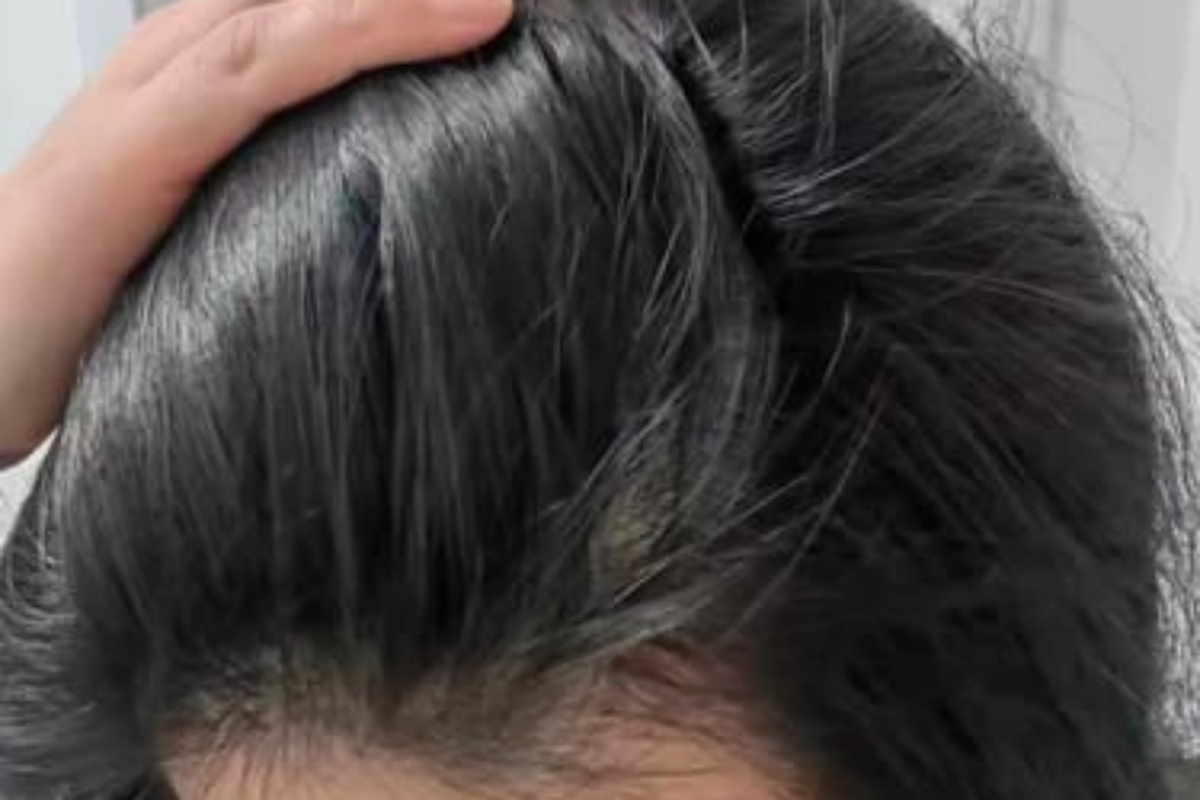
Covering gray hair at home can be simple, but sometimes the result isn't as even as expected. You may notice some gray strands are fully covered while others remain visible, or the roots look darker in some areas than others.
Uneven gray coverage doesn't always mean the hair dye isn't working. In many cases, the result can be affected by how the hair is prepared, where the color is applied, and how long the dye is left on.
Here are 7 common mistakes that can lead to uneven gray coverage—and how to avoid them.
1. Applying Dye to Dirty or Product-Heavy Hair
Heavy buildup from dry shampoo, styling products, oils, or other hair products can create a barrier between the hair and the color.
When the dye doesn't have consistent contact with the hair, some areas may absorb color differently from others.
What to do:
Follow the product's instructions for preparing your hair before coloring. Avoid applying large amounts of styling products immediately before coloring. This applies whether you're using traditional dye or a gentler option like VAAIG plant-based hair dye.
2. Not Dividing the Hair Into Sections
One of the most common causes of uneven coverage is simply missing certain areas.
Gray hair around the hairline, temples, part, and crown can be easy to overlook, especially when applying color quickly.
What to do:
Divide your hair into manageable sections before applying the dye. Work systematically from one section to the next rather than applying color randomly.
3. Using Too Little Product
If there isn't enough dye to fully saturate the gray strands, coverage can be patchy.
This is especially common when trying to stretch one box of hair color over more hair than the product is designed to cover.
What to do:
Use enough product to thoroughly coat the areas you're treating. If you're only touching up gray roots, concentrate the product where the new growth is visible instead of spreading a small amount over a large area.
4. Rushing Through the Application
Gray hair often needs thorough and even application. Quickly brushing color over the surface of the hair may leave some strands insufficiently covered.
This can create a result where certain areas look darker while scattered gray strands remain visible.
What to do:
Take your time during application. Pay particular attention to areas with a higher concentration of gray hair.
5. Not Leaving the Color on Long Enough
Timing matters when covering gray hair.
Removing the dye too early may prevent the color from developing fully, which can result in incomplete or inconsistent coverage.
What to do:
Always follow the recommended processing time on your specific hair color. Don't rinse earlier simply because the color appears to be developing.
At the same time, leaving dye on significantly longer than instructed doesn't necessarily improve coverage.
6. Applying Color Unevenly to Different Areas
Some people apply more product to the front of the head because they can see it easily, while the back or sides receive less attention.
This can result in noticeable differences in gray coverage.
What to do:
Use a consistent application method and make sure every section receives adequate product. A mirror can help you check areas that are difficult to see.
7. Choosing a Color That Isn't Suitable for Gray Coverage
Not every hair color is designed to provide the same level of gray coverage.
If you're primarily trying to cover gray hair, choosing a shade and formula appropriate for gray coverage is important. The wrong shade can also make uneven coverage more noticeable.
What to do:
Look for a hair color specifically formulated for gray coverage and choose a shade that works with your natural hair color and desired result.
How to Get More Even Gray Coverage at Home
A more consistent result starts before you even open the bottle.
Keep these simple steps in mind:
- Prepare your hair according to the product instructions.
- Divide your hair into clear sections.
- Start with areas that have the most visible gray.
- Apply enough product to fully coat the gray strands.
- Work methodically instead of rushing.
- Follow the recommended processing time.
- Rinse and care for your hair as directed.
If you're mainly dealing with visible gray roots, you don't necessarily need to recolor your entire head every time. A gentle, plant-based gray-coverage hair dye like VAAIG can make it easier to focus on the areas that actually need color while keeping the process simple and at-home friendly.、
Discover VAAIG Clean Cover Permanent Hair Color
✓ Ammonia-Free Formula
✓ Gray Coverage
✓ Salon-Ins
✓ Soft, Shiny Finish
✓ Ships From USA
[Get the same VAAIG hair dye with one click]
Final Thoughts
Uneven gray coverage is often caused by small mistakes rather than one major problem. Missing sections, insufficient product, rushed application, incorrect timing, and choosing an unsuitable formula can all affect the final result.
The key is to apply the color evenly, give gray strands enough product and processing time, and choose a formula specifically suited to gray coverage.
With a careful application routine and the right gray-coverage hair color, achieving a more even, natural-looking result at home can be much easier.


