

A New Definition of Beauty
In 2026, choosing a hair color is no longer just about the shade. More people are searching for terms like “vegan hair dye,” “cruelty-free hair color,” and “safe hair dye for sensitive scalp” because beauty today is also about responsibility. Consumers want products that perform well, feel comfortable on the scalp, and align with their values.
At VAAIG, the belief is simple: hair color should deliver professional results without harming your scalp or any living being.
What Vegan and Cruelty-Free Really Mean
When people search for “what is vegan hair dye” or “cruelty-free hair dye meaning,” they are often met with vague answers. The distinction is actually very clear.
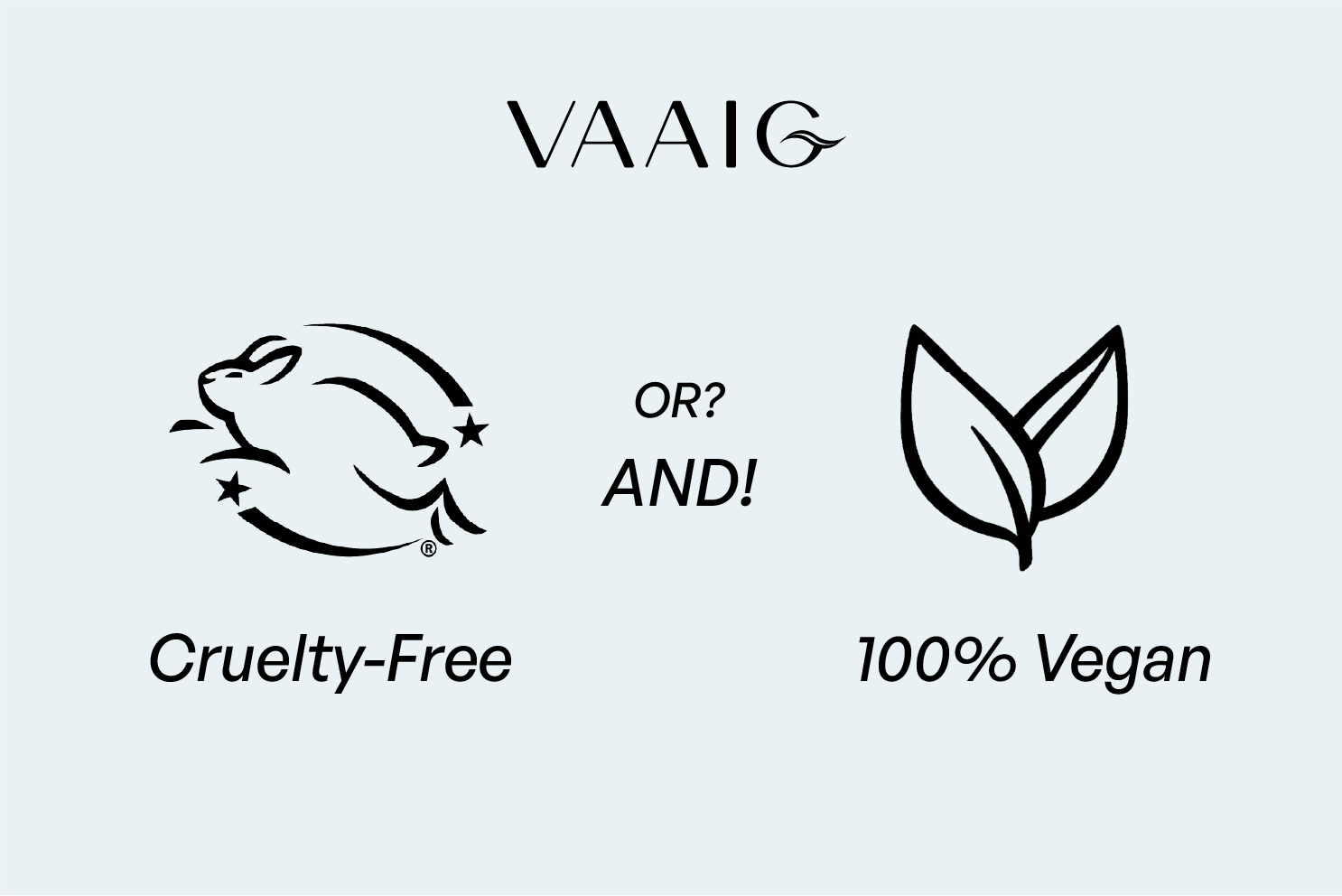
Vegan hair dye means the formula contains no animal-derived ingredients. This includes keratin from animal sources, beeswax, carmine pigment derived from insects, and silk proteins.
Cruelty-free hair dye means no animal testing at any stage, including ingredients, formulation, or third-party testing.
These two standards are independent, but together they define what most consumers today consider an ethical hair dye.
VAAIG follows both principles as a baseline, not as a marketing claim.
What to Avoid in Hair Dye (2026 Consumer Awareness)
Search trends like “hair dye ingredients to avoid” and “toxic hair dye chemicals” continue to rise, and for good reason. Many traditional formulas still include ingredients that are either non-vegan or harsh on the scalp.
Common animal-derived ingredients include keratin, beeswax, and carmine. These are often hidden in formulas marketed as “nourishing” or “repairing.”
Equally important are high-irritation chemicals. Ammonia is widely known for its strong odor and ability to aggressively open the hair cuticle, which can lead to dryness and discomfort. PPD (p-phenylenediamine) is one of the most common causes of allergic reactions in hair dye, while resorcinol is another ingredient associated with scalp sensitivity.
These are the reasons many users search for “ammonia-free hair dye,” “PPD-free hair dye,” or “best hair dye for sensitive scalp.”
What to Look For in a Modern Vegan Hair Dye
The shift toward clean, high-performance formulations has redefined what a “professional” hair dye looks like. Consumers searching for “best vegan hair dye 2026” or “gentle hair dye that lasts long” are no longer willing to compromise between performance and safety.
A key upgrade is the use of MEA instead of ammonia. MEA allows controlled color development with significantly less odor and reduced scalp irritation, making it ideal for at-home hair coloring.
Plant-based conditioning systems are another defining feature. Ingredients like grapeseed oil and jojoba oil replace animal-derived oils, helping maintain softness, shine, and overall hair health.
Modern formulations also focus on refined sensory experience, using naturally derived fragrance instead of harsh chemical smells.

Trusted Standards Without Overstated Labels
Many users searching “is cruelty-free hair dye certified” or “how to verify vegan hair dye” rely on logos such as Leaping Bunny or PETA. While these certifications can be useful, they are not the only indicators of a product’s integrity.
VAAIG operates on a clear internal standard: no animal testing at any stage, no animal-derived ingredients, and no third-party testing on its behalf.
In addition, VAAIG products comply with multiple international safety and regulatory systems, including FDA cosmetic compliance in the United States, MSDS safety documentation, SCPN registration in the European Union, and SGS testing and verification.
This framework ensures not only ethical alignment but also product safety, consistency, and global compliance.

Does Vegan Hair Dye Last as Long?
One of the most searched questions is “does vegan hair dye last” or “is vegan hair dye as effective as salon color.” The concern is understandable, but outdated.
Modern vegan hair dye uses advanced pigment systems that allow deep color penetration without aggressive cuticle damage. Because ammonia is not used, the hair structure remains more intact, which actually helps retain color longer.
This is why many users switching to ammonia-free and PPD-free formulas report that their hair feels healthier and their color fades more naturally.
VAAIG is designed to deliver full gray coverage, natural-looking tones, and long-lasting results while maintaining scalp comfort.

Is Vegan Hair Dye Better for Sensitive Scalp?
This is one of the highest-conversion search queries: “best hair dye for sensitive scalp” and “non-irritating hair dye.”
In most cases, vegan hair dye is a better option because it avoids harsh irritants such as ammonia and high-risk sensitizers like PPD. Combined with plant-based conditioning ingredients, it reduces the likelihood of itching, burning, or discomfort during and after coloring.
That said, individual reactions can vary, so a patch test remains recommended before full application.
The 2026 Shift: Ethical Hair Color as the New Standard
Search behavior shows a clear shift. Queries like “clean beauty hair dye,” “non-toxic hair color,” and “ethical beauty brands” are growing rapidly.
Consumers are no longer satisfied with products that simply work. They expect transparency, safety, and alignment with modern values.
In this context, vegan and cruelty-free hair dye is no longer a niche category. It represents the direction of premium beauty.
How to Choose the Right Vegan Hair Dye
When evaluating options, a simple checklist helps cut through marketing noise. Look for a formula that is genuinely free from animal-derived ingredients, developed without animal testing, and formulated without ammonia, PPD, or similar high-irritation chemicals.
Also consider whether the brand provides clear safety documentation and complies with recognized regulatory standards. This often matters more than surface-level claims.
The VAAIG Standard
VAAIG approaches hair color from a systems perspective, combining clean formulation, professional performance, and responsible production standards.
Rather than relying on labels alone, the focus is on building a product that delivers consistent results while respecting both the user and the broader environment.
Start Your Ethical Coloring Journey
Choosing a hair dye today is not just about color. It is about performance, comfort, and values working together.
VAAIG offers a way to achieve salon-level results at home, with a formula designed to be gentle, reliable, and aligned with modern expectations.


