

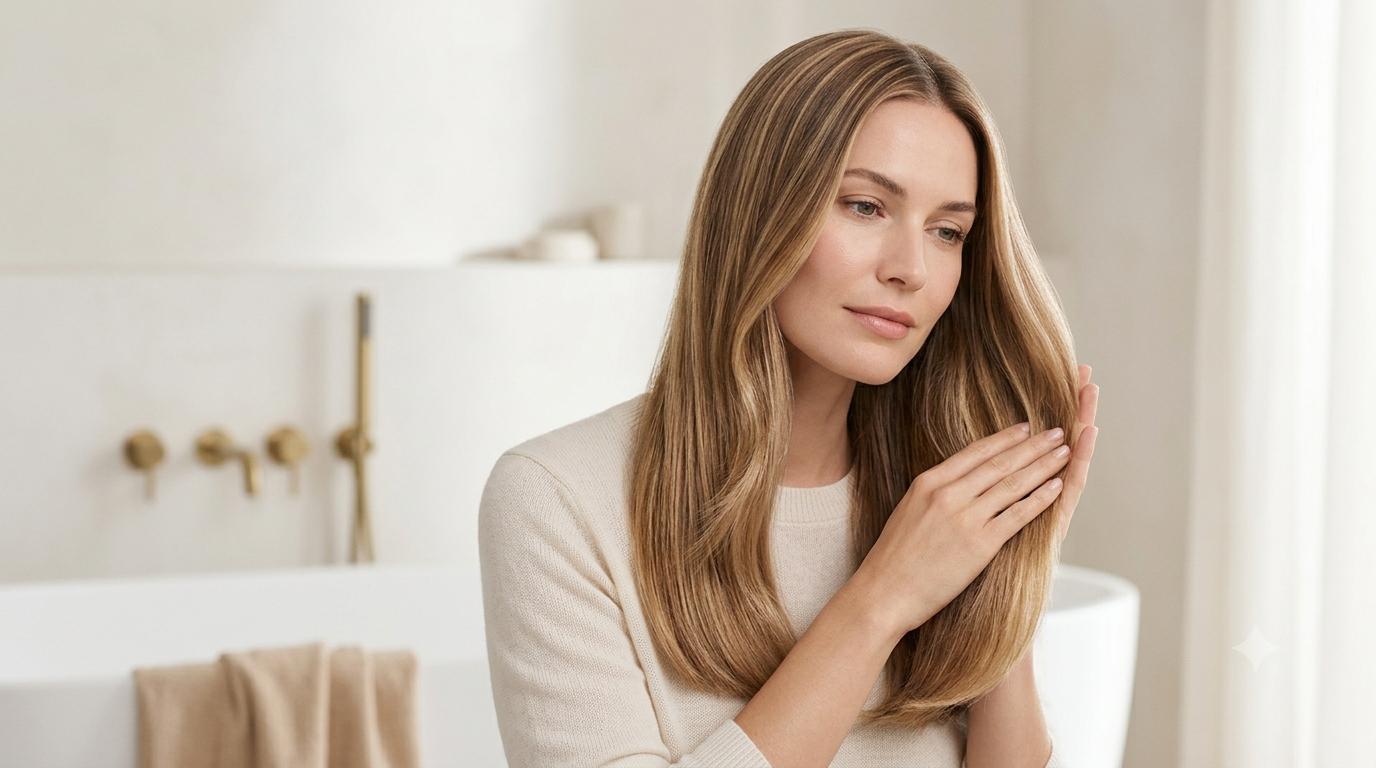
Hair coloring can transform your look, but it can also leave your hair feeling dry, fragile, and prone to breakage. Whether you've recently dyed, highlighted, or bleached your hair, proper aftercare is essential for maintaining healthy, vibrant strands. In this guide, we'll explore the common causes of color-related hair damage and share practical tips to help restore moisture, improve strength, and keep your color-treated hair looking its best.
Why Does Hair Feel Damaged After Coloring?
Hair color works by opening the hair cuticle so color pigments can penetrate the hair shaft. While this process creates beautiful, long-lasting color, it can also reduce moisture levels and weaken the hair's protective outer layer.
Common signs of color-related hair damage include:
- Dryness and dehydration
- Frizz and flyaways
- Dull-looking hair
- Split ends
- Increased breakage
- Rough texture
If you've recently colored or bleached your hair, these changes are completely normal and can often be improved with proper aftercare.
1. Focus on Moisture First
One of the biggest challenges for color-treated hair is moisture loss.
Using hydrating hair products can help replenish moisture and improve overall hair texture.
Consider:
- A moisturizing shampoo designed for color-treated hair
- A nourishing conditioner after every wash
- Leave-in conditioners for added hydration
- Weekly moisture treatments
Well-hydrated hair tends to look shinier, feel softer, and experience less frizz.
2. Use a Deep Conditioning Mask Weekly
A quality hair mask can provide intensive hydration and nourishment that goes beyond what a regular conditioner offers.
For best results:
- Apply primarily to mid-lengths and ends
- Leave on according to product instructions
- Use once or twice per week depending on your hair's condition
Regular deep conditioning can help improve manageability and reduce the appearance of dryness caused by coloring.
3. Minimize Heat Styling
Hair that has been colored or bleached is often more vulnerable to heat damage.
Frequent use of:
- Flat irons
- Curling wands
- Hot brushes
- High-heat blow dryers
can further weaken the hair and contribute to breakage.
Whenever possible:
- Use lower heat settings
- Apply a heat protectant before styling
- Allow hair to air-dry partially before blow-drying
Reducing heat exposure can make a noticeable difference in the health of color-treated hair.
4. Wash Hair Gently
Overwashing can strip natural oils and cause color to fade more quickly.
To help maintain both hair health and color vibrancy:
- Avoid washing more often than necessary
- Use lukewarm water instead of hot water
- Massage the scalp gently with your fingertips
- Choose sulfate-free products when suitable for your hair type
A gentle washing routine can help preserve moisture while extending the life of your color.
👉Related Articles:VAAIG Shampooing Guide
5. Trim Split Ends Regularly
Unfortunately, split ends cannot truly be repaired once they occur.
Regular trims help:
- Prevent splits from traveling further up the hair shaft
- Improve the appearance of your hair
- Reduce tangling and breakage
Even a small trim every few months can help keep color-treated hair looking healthier.
6. Support Hair Health from Within
Healthy hair starts with a healthy body.
A balanced diet that includes:
- Protein
- Iron
- Zinc
- Omega-3 fatty acids
- Vitamins such as Biotin and Vitamin D
can support stronger hair growth over time.
While hair products play an important role, overall nutrition also contributes to long-term hair health.
Final Thoughts
Coloring your hair doesn't mean you have to live with dryness, frizz, or breakage. By focusing on hydration, minimizing heat damage, and following a gentle hair care routine, you can help your color-treated hair look healthier, shinier, and more manageable.
It's also worth paying attention to the type of hair color you use. Traditional permanent hair dyes often rely on ingredients such as ammonia, peroxide, and synthetic colorants to open the hair cuticle and deposit color. While effective, repeated use of these chemicals may contribute to dryness, brittleness, and long-term hair damage, especially when combined with bleaching treatments.
Plant-based alternatives are becoming increasingly popular among people looking for a gentler coloring experience. For example, VAAIG Plant Hair Dye uses naturally derived botanical ingredients to color hair while helping maintain moisture and softness. Unlike many conventional dyes that aggressively alter the hair structure, plant-based formulas are designed to be less harsh on both the hair and scalp, making them an appealing option for those with sensitive scalps or damaged hair concerns.
If you're wondering whether your washing habits could be affecting your hair's condition, check out our guide on The Best Way to Wash Your Hair for practical tips on cleansing without causing unnecessary damage.
And if you're planning your next color appointment, don't miss The Best Time to Dye Your Hair, where we discuss how timing and preparation can help you achieve better color results while keeping your hair in its best possible condition.


