

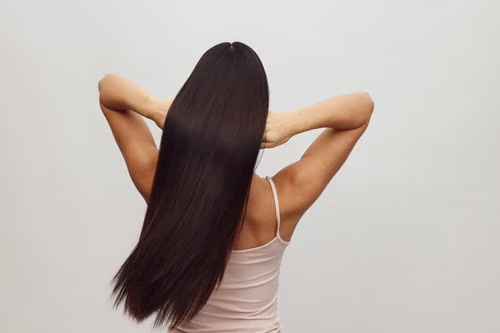
Bleached blonde, platinum, and other light shades can create a striking look. However, maintaining them often requires repeated chemical treatments, especially as dark roots grow out.
Over time, frequent bleaching may leave hair dry, fragile, and more prone to breakage. You don't have to stop coloring completely, but understanding the effects of bleaching can help you make healthier choices.
What Does Bleaching Do to Hair?
Unlike regular hair color, which mainly deposits pigment, bleach removes natural melanin from the hair shaft to make it lighter.
This process can affect the hair's structure. Repeated bleaching may lead to:
- Dryness and roughness
- Breakage
- Tangling
- Reduced elasticity
- Split ends
The more often hair is processed, the more important gentle care becomes.
Why Repeated Bleaching Can Cause Damage
Many people bleach their roots every few weeks as new growth appears. Over time, the same lengths may be exposed to chemicals repeatedly.
This creates a cycle:
New growth appears → roots are bleached → color fades → hair is processed again.
The difference between healthy new growth and processed lengths may also become more noticeable.
Because hair lengths cannot fully repair themselves, preventing further damage is often more effective than trying to restore severely processed hair.
Give Your Hair Time to Grow
If your hair has become dry or fragile, consider reducing the frequency of bleaching and allowing your natural roots to grow.
A gradual transition back to your natural color can reduce chemical processing and create a softer, more natural look. It may take patience, but giving your hair a break can help prevent additional damage.
Cover Gray Roots Without Coloring Everything
Letting your natural hair grow doesn't mean you have to accept visible gray hair if you don't want to.
If gray roots are your main concern, you may not need to bleach or recolor your entire head. Focus on visible areas such as:
- Hairline
- Temples
- Part line
- Crown
- Front roots
If the lengths still look good, leave them alone and touch up only the roots. This targeted approach can reduce unnecessary chemical exposure.
Choose a Gentler Coloring Option
If you need to cover gray or white hair, a dedicated gray-coverage color may be more suitable than repeated bleaching.
VAAIG Permanent Hair Color is specially designed to cover gray hair, delivering natural-looking results.
Formulated without ammonia, it offers a gentler at-home coloring option that maintains your hair color without the need for repeated bleaching.
[Get the same VAAIG hair dye with one click]
How to Reduce Unnecessary Coloring
Try these simple habits:
✔ Color the roots instead of the entire head
Focus on visible gray regrowth rather than repeatedly processing the lengths.
✔ Avoid overlapping treatments
When touching up roots, avoid applying color over hair that has already been processed.
✔ Extend the time between treatments
Waiting a few extra weeks can reduce chemical exposure.
✔ Use gentle hair-care products
Moisturizing and gentle cleansing products can help color-treated hair feel softer.
Is Natural Hair Always Better?
Not everyone wants to stop coloring their hair, and natural hair isn't automatically easier to manage. The goal is to make intentional choices.
If you don't need to bleach your hair, consider a less intensive coloring method. If gray roots are the main concern, treat the roots instead of the entire head.
When hair is already damaged, allowing it to grow naturally may be one of the simplest ways to prevent further stress.
A Healthier Approach to Hair Color
A balanced routine can include:
Less unnecessary processing + targeted gray coverage + gentle care + time for natural growth
You don't have to choose between beautiful hair and healthy-looking hair. Sometimes, the best change is simply giving your hair time to grow.
Final Thoughts
Frequent bleaching can leave hair dry, fragile, and prone to breakage. You don't have to stop coloring completely, but reducing unnecessary treatments and focusing on targeted root coverage can help protect your hair.
For gray or white roots, a dedicated gray-coverage color may be a simpler alternative to repeatedly bleaching or recoloring the entire head.
Healthy-looking hair often starts with one simple choice: do less when your hair doesn't need more.


