

Washing your hair seems simple enough. Most of us have been doing it for years without giving it much thought.
But if you've ever struggled with an itchy scalp, dry ends, greasy roots, or hair color that fades too quickly, your washing routine may deserve a second look. What feels like a basic daily habit can actually have a significant impact on the overall condition of your hair and scalp.
The truth is, how you wash your hair can affect everything from scalp comfort to the longevity of your hair color. And after coloring your hair, the right washing habits become even more important. Even small changes in your routine can help support healthier-looking hair and a more enjoyable hair care experience.
So, what does a scalp-friendly, color-conscious hair washing routine actually look like? Let's take a closer look at the science behind proper hair washing and the simple steps that can help you maintain vibrant, beautiful color for longer.
Part 1: The Science of Washing Your Hair Properly
Start with lukewarm water—not hot water
Hot showers may feel relaxing, but excessively hot water can strip away the scalp's natural oils and leave both the scalp and hair feeling dry. Over time, this may contribute to increased sensitivity, frizz, or a lack of shine.
Lukewarm water helps cleanse effectively while preserving moisture balance. It allows shampoo to do its job without unnecessarily disrupting the scalp's protective barrier.
This simple habit is especially beneficial for color-treated hair, as it may help maintain the appearance of your chosen shade for longer. Since dyed hair can already be more prone to dryness, avoiding extreme temperatures is a practical way to support its overall condition.
Tip: If your scalp feels tight after washing, your water temperature may be too high. Turning the temperature down slightly can make your routine gentler and more comfortable without sacrificing cleanliness.
Focus shampoo on the scalp, not the ends
Healthy washing starts at the roots. Since the scalp is where oil, sweat, and product buildup accumulate, it deserves the majority of your attention during shampooing.
Shampoo is designed to remove excess oil, sweat, and buildup from the scalp. The lather that runs down the hair shaft during rinsing is usually enough to cleanse the lengths of your hair.
Scrubbing the ends aggressively can contribute to dryness and breakage over time. Hair lengths, especially if they have been colored or heat-styled regularly, tend to be more delicate and require a gentler approach.
Treating your strands gently—especially after coloring—can help preserve softness and keep your hair looking its best. This simple adjustment may also help reduce tangling and improve manageability after washing.
Use your finger pads—not your nails
Your scalp doesn't need to be "scratched clean." In fact, using your nails can sometimes lead to unnecessary irritation or discomfort, particularly if your scalp is already sensitive.
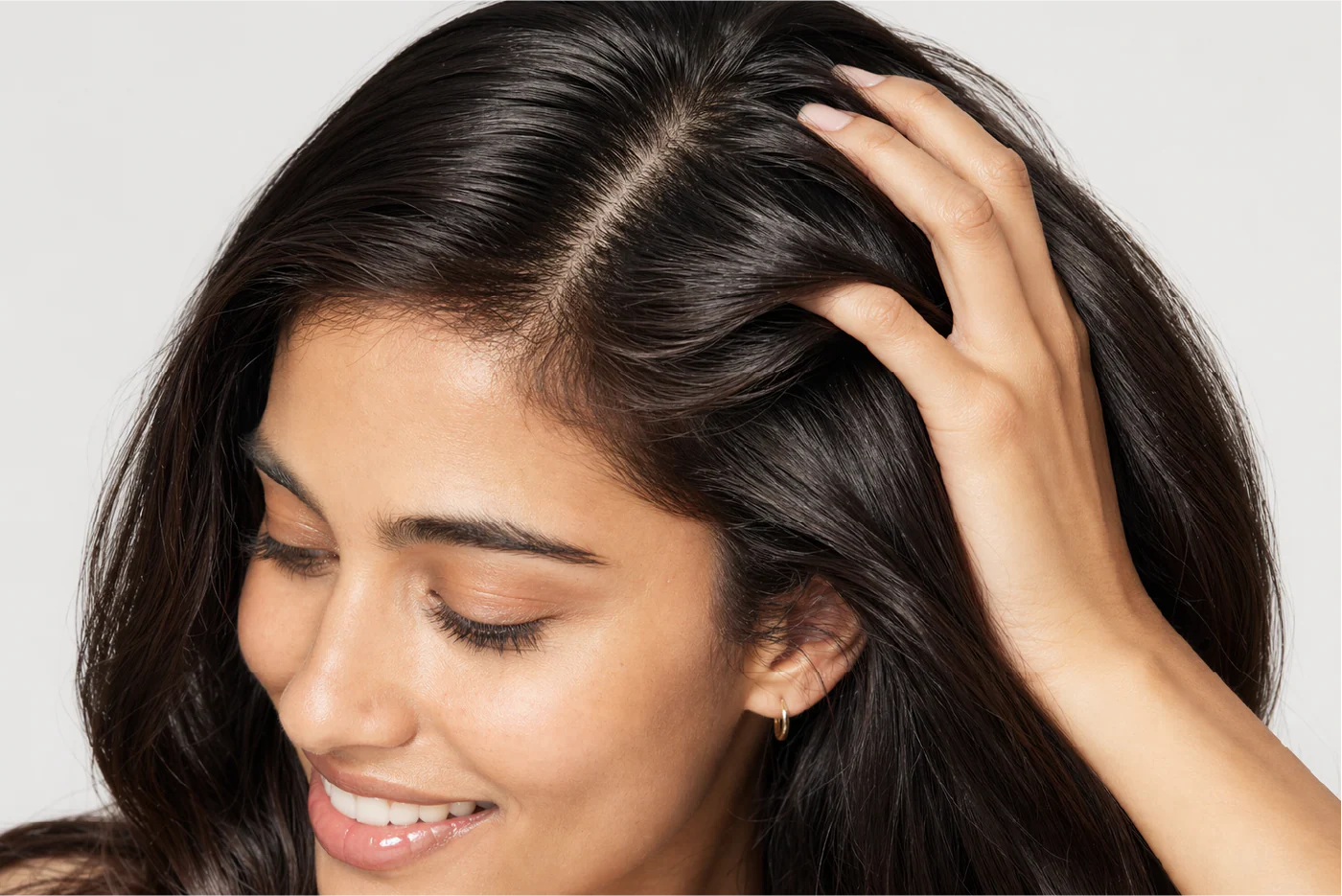
Instead, gently massage your scalp using the pads of your fingers for about one to two minutes. This helps distribute shampoo evenly and lift away buildup without causing unnecessary irritation.
Think of it as scalp care rather than deep scrubbing. A gentle massage can also feel relaxing and encourage you to slow down and be more mindful during your routine.
A gentle scalp-care routine can support overall comfort and help maintain healthier-looking hair over time. Since healthy-looking hair starts at the scalp, paying attention to this often-overlooked step can make a meaningful difference.
Condition from mid-length to ends
Conditioner works best where hair tends to be driest. For many people, this means focusing on the mid-lengths and ends rather than the scalp area.
Applying it directly to the scalp may weigh down the roots, especially if you naturally produce more oil. This can leave hair looking flat sooner than expected after washing.
For most people, focusing on the mid-lengths and ends provides the right balance of moisture and volume. Allowing the conditioner to sit for a few minutes before rinsing may also enhance its benefits.
Regular conditioning can also help support smoother, more manageable hair after coloring. Since color-treated hair often requires additional hydration, this step can contribute to a softer feel and a healthier-looking appearance.
Part 2: How to Wash Your Hair After Coloring
Freshly colored hair needs a little extra attention. The period immediately following a coloring session is an important time to establish habits that support your desired results.
The way you care for it during the first few weeks can influence how vibrant and long-lasting your color remains. While no routine can completely prevent fading, thoughtful care can help you enjoy your color for longer.
Whether you've visited a salon or chosen the convenience of at-home coloring with a brand like VAAIG, these simple habits can help you get the most out of your new look. A few mindful adjustments can go a long way toward maintaining both color and comfort.
Wait before your first wash
In general, it's a good idea to wait 24–48 hours after coloring your hair before shampooing. This recommendation is commonly shared by hair care professionals and color enthusiasts alike.
This allows the color to settle more completely and helps minimize early fading. Giving your hair a brief pause before the first wash may support a more vibrant appearance.
Giving your hair this short resting period can help support better-looking, longer-lasting results. It can also provide an opportunity for your scalp to recover after the coloring process.
Wash less frequently if possible
Frequent washing can gradually remove color molecules from the hair shaft. While everyone's lifestyle and hair type are different, reducing wash frequency may help preserve your chosen shade.
If your lifestyle allows, try spacing out wash days and using dry shampoo between washes when needed. This can be especially helpful for those with color-treated hair who want to extend the time between touch-ups.
This approach may help extend the appearance of your color and reduce the need for frequent touch-ups. It may also encourage your scalp to maintain a more balanced oil production over time.
Remember, there is no one-size-fits-all schedule. Finding a routine that works for your hair type, activity level, and personal preferences is key.
Be gentle with freshly colored hair
Colored hair may feel slightly drier than untreated hair.
Avoid vigorous towel-drying or aggressive brushing immediately after washing. Instead, gently squeeze out excess water and use a soft towel to blot the hair dry.
Small changes in handling can make a noticeable difference over time. Choosing a wide-tooth comb and detangling carefully from the ends upward may also help minimize unnecessary stress on the hair.
Extending the same level of care you put into coloring your hair into your daily routine can help keep it looking healthy and vibrant. Consistency in these small habits often contributes to better long-term results.
Choosing the Right Products Matters
While good washing habits play a major role in maintaining healthy-looking color, the products you choose matter too.
If you prefer coloring your hair at home, selecting a formula that aligns with your hair care priorities—whether that's ease of use, scalp comfort, or a more mindful ingredient approach—can make the overall experience more enjoyable.
At VAAIG, we believe that coloring your hair should feel like an act of self-expression, not something that comes at the expense of comfort. Our gentle plant-based hair dye is designed for those who want beautiful color while being mindful of their scalp and everyday hair care routine.
Because beautiful color doesn't end when the dyeing process is over—it's also about how you care for your hair afterward.
Final Thoughts
The "perfect" hair washing routine doesn't have to be complicated.
In many cases, small adjustments—using gentler techniques, choosing the right water temperature, and adapting your routine after coloring—can help support a healthier scalp and longer-lasting color.
When paired with products that suit your individual needs and lifestyle, these habits can help you enjoy a more positive coloring experience from start to finish.
So the next time you step into the shower, remember:
Washing your hair isn't just a routine. Done well, it's part of caring for both your scalp and your color.


