

VAAIG Blog

How to Preserve Your Hair Color?
10 Expert Color-Saving Techniques (2025 Comprehensive Guide) It’s a frustration every color lover knows too well: you spend time and money achieving that perfect shade—rich, vibrant, and full of life—only to watch it fade into dullness or brassiness in what feels like no time at all. Whether you rely on professional salon treatments or color your hair at home, fading is a universal battle. The truth is, the durability of your color isn’t determined only by the dye itself. In fact, your post-color care routine plays a far greater role. With the right methods, your color can stay rich for longer, fade more gracefully, and maintain the shine you love. This guide breaks down 10 proven, expert-backed color-preserving techniques to keep your hair looking vivid well into 2025. 1. Avoid Washing Your Hair for 48 Hours After Coloring This simple step is often ignored, yet it’s vital. Freshly colored hair has open cuticles, and the pigment hasn’t fully stabilized. Washing too soon will rinse away the freshly deposited dye. By waiting a full 48 hours before your first wash, you allow the pigments to settle properly and significantly improve color longevity. 2. Switch to Sulfate-Free Shampoo and Conditioner Sulfates create a rich lather, but they also strip away both pigment and natural oils—fast-tracking color fade. A sulfate-free formula cleanses gently, preserving your hue for a longer period. It’s a small switch that makes a huge difference. 3. Wash with Lukewarm or Cool Water, Not Hot Hot water forces cuticles to open, causing pigment to escape quickly. Instead, use lukewarm or cool water when washing your hair. You’ll notice a visible improvement in color retention. For an added shine boost, finish with a cool rinse to help the cuticles reseal. 4. Condition Every Time You Wash Your Hair Dryness is one of the biggest contributors to rapid fading. If your hair is dehydrated, the cuticles can’t stay sealed—meaning color escapes more easily. Conditioning with every wash replenishes moisture, reduces friction, and helps lock in pigment. Look for formulas rich in plant oils, amino acids, or proteins for best results. 5. Use a Complete Color-Care System Instead of mixing random products that may counteract each other, choose a coordinated system: Color-care shampoo + color-care conditioner + color-care mask These systems typically use antioxidants and low-pH technology to keep pigment stable and prevent brassiness or dullness. It’s the easiest way to build a reliable routine. 6. Reduce Heat Styling as Much as Possible Hot tools—blow dryers, curling irons, straighteners—cause cuticles to open, letting color slip out faster. Whenever possible, minimize heat exposure and keep styling tools below 160°C (320°F). If you can, allow your hair to air-dry to about 70% before turning on your blow-dryer. 7. Protect Your Hair from Sun, Seawater, and Chlorine UV rays, saltwater, and chlorine are some of the biggest enemies of hair color. They can strip pigment, cause brassiness, or turn deeper tones like brown or black muddy and dull. Before going outdoors, apply a UV-protecting hair mist or a lightweight protective oil. 8. Use a Deep-Repair Mask Once a Week Color retention is directly linked to hair health. Damaged cuticles can’t hold pigment, causing color to fade rapidly. A weekly deep-repair mask replenishes essential moisture, lipids, and nutrients—keeping your hair smoother, shinier, and better at holding color. 9. Avoid Intense Workouts and Heat Exposure for the First Week During the first week after coloring, your hair is especially vulnerable. Excess sweat, steam, and heat can cause premature fading. Try sticking to light workouts and avoid saunas, hot yoga, or steam rooms. If exercise is unavoidable, tie your hair up to minimize sweat contact. 10. Use a Color-Protecting Spray or Hair Oil Daily Color-lock sprays and lightweight oils act as a protective shield around the hair shaft, guarding your color from UV damage, pollution, and heat. Using just a small amount daily keeps your hair soft, glossy, and better protected. Conclusion: Your Color Lasts Longer When You Care More Gently Hair is delicate. Every wash, every degree of heat, every bit of friction—all of it influences how your color behaves. And when you treat your hair with a gentler, more thoughtful routine, it rewards you with color that stays brighter, longer. At VAAIG, we believe that color isn’t just the result—it’s a reflection of how lovingly your hair is cared for. That’s why our formulas focus on plant-based extracts, mild cleansing systems, and fragrance-infused nourishment. We want coloring to feel less like damage and more like self-care. And if your hair could speak, it would probably tell you: “Thanks for helping me look this good for this long.”
もっと詳しく知る
Fragrance-Rated Hair Dyes VS Inferior Hair Dyes
The High-End Dividing Line from Scent to Hair Quality In the hair care market, the quality differences in hair dye products go far beyond the superficial aspect of "even color application". The real dividing line lies in the product formula, the scent experience, and the long-term impact on hair health. In recent years, fragrance-based plant-based hair dyes have gradually become the first choice for high-end users, while traditional chemical hair dyes are frequently criticized for "fast coloring, fast fading, and rapid hair damage." Below, we will analyze the fundamental differences between the two in three aspects: ingredients, user experience, and effects. Image Source: VAAIG Official Website I. Ingredient Comparison: Chemical Dyes vs. Plant Essential Oils Inferior Hair Dyes: Dominated by High Ammonia and Chemical Dyes Low-priced hair dyes on the market typically rely on strongly alkaline chemicals (such as ammonia and p-phenylenediamine) to open the hair cuticles to accelerate pigment penetration. While this method provides rapid coloring, it is extremely irritating to the scalp and hair. Long-term use may lead to scalp sensitivity, hair loss, dryness, and split ends. More seriously, some substandard products still contain potentially allergenic ingredients, causing irreversible damage to the skin barrier. Fragrance Hair Dye: Plant Essential Oils and Gentle Coloring Technology High-end fragrance hair dye products, such as the VAAIG plant essential oil series, use low-ammonia or ammonia-free formulas, utilizing plant extracts and natural oils to aid in coloring. Jojoba oil, argan oil, and organic rose essence not only help the pigment penetrate evenly but also repair the cuticle layer while dyeing, leaving hair smooth and shiny after coloring. This type of hair dyeing emphasizes the balance between "nourishment" and "color," allowing the hair color to appear naturally from the inside out. II. Olfactory Experience: Pungent Odor vs. Fragrance Ritual Image Source: VAAIG Official Website Inferior Hair Dye: Irritation That Chemical Smells Cannot Mask The experience of using inferior hair dye is often accompanied by a strong, pungent odor. This odor mainly comes from a mixture of ammonia and artificial fragrances, which irritates the eyes and nose and may cause a burning or tingling sensation on the scalp. For sensitive individuals, it can even trigger respiratory discomfort or allergic reactions. Fragrance-Infused Hair Dye: Making Hair Dyeing a Fragrance Therapy The biggest feature of fragrance-infused hair dye products is that "you can enjoy the fragrance while dyeing your hair." High-end series like VAAIG integrate fragrance into the hair dyeing process, using natural floral extracts—such as white tea, sandalwood, and orange blossom—to create a soothing and pleasant atmosphere. This not only eliminates the oppressive feeling of traditional hair dyeing but also makes the treatment experience closer to a professional salon aromatherapy ritual. III. Hair Quality: Temporary Shine vs. Long-Lasting Color Inferior Hair Dye: Short-Term Brightness, Long-Term Damage Most inferior hair dyes only "cover" the surface with color. Initially, it may appear bright, but after several washes, the pigment quickly fades, and the hair color becomes dull and lifeless. Due to chemical erosion, the hair cuticles cannot close, and the hair gradually loses moisture and protein support, resulting in split ends, breakage, and a rough texture. Fragrance-Infused Hair Dye: Long-Lasting Color, Natural Shine Fragrance-infused hair dyes emphasize the combination of "color-locking technology" and "care mechanisms." VAAIG's ColorSeal™ color-locking system forms an invisible protective film on the hair surface, preventing dye particles from being washed away. Combined with deep repair from plant essential oils, hair remains smooth and shiny months after dyeing, with a natural color transition, rich layers, and no dryness. IV. The Dividing Line Between Safety and Environmental Concerns Inferior Hair Dyes: Ignoring Scalp Health and Environmental Impact Low-cost hair dyes often lack safety testing, have unclear packaging labeling, unknown ingredient sources, and may even contain environmentally polluting solvents. These products not only damage the user's scalp but also impose a chemical burden on the aquatic environment. Fragrance-Infused Hair Dyes: Sustainability and Health Go Hand in Hand High-end fragrance brands emphasize green formulas and sustainable concepts. VAAIG, with "eco-friendly color" as its core brand value, not only refuses animal testing but also uses biodegradable packaging and traceable plant-based ingredients. This philosophy represents the responsibility of modern hair care brands—caring for both hair and protecting nature. The definition of high-end is more than just "more expensive" The difference between scented hair dye and inferior hair dye lies not only in appearance or scent but also in the comprehensive experience of health, safety, and longevity. The former is a refined "hair aromatherapy," reshaping the hair dyeing experience with gentle ingredients and aromatic technology; The latter often sacrifices hair quality for a temporary color effect. For modern women who pursue quality and confidence, choosing scented hair dye is choosing a more sophisticated lifestyle. Hair color is no longer just a "change in appearance," but an extension of inner state—smooth, natural, elegant, and with its own unique fragrance.
もっと詳しく知る
How Does Hair Dye Apply Color?
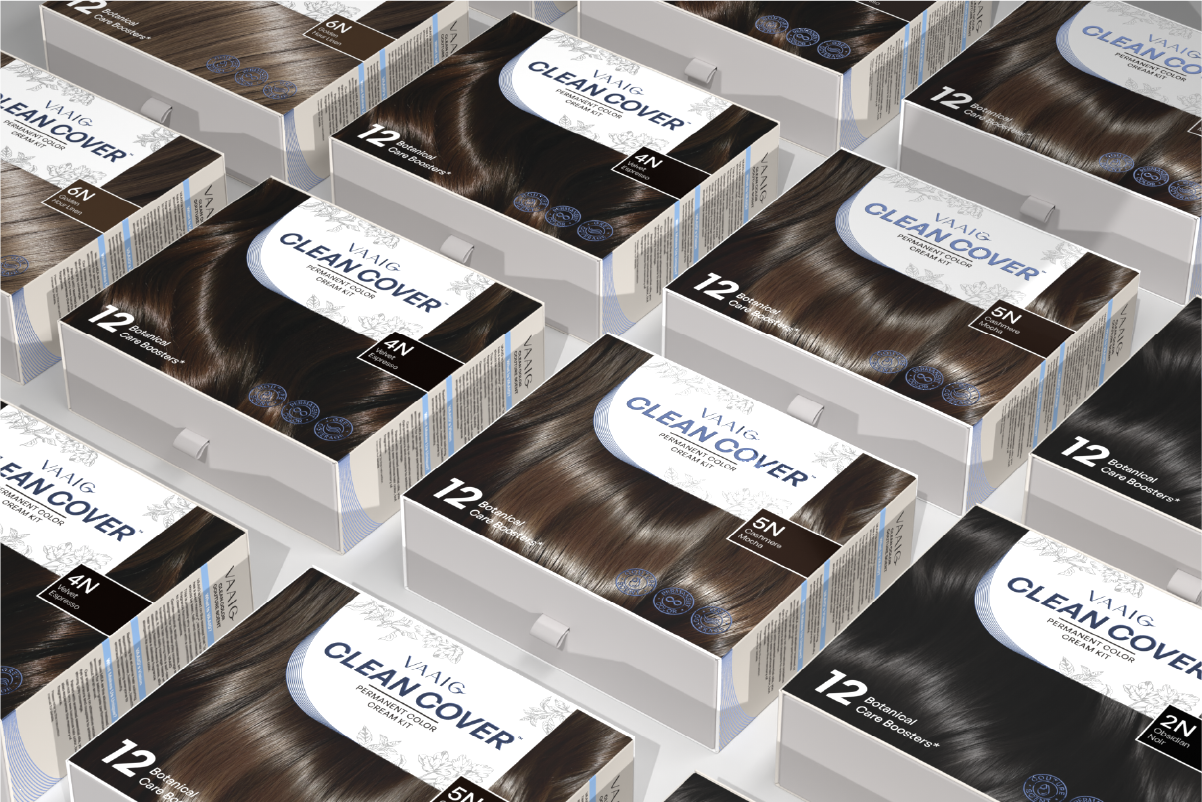
Hair dyeing is not only a fashion statement, but also a science of color. From developing and bleaching to locking in color, each step involves fascinating chemical principles. Many people often ask: How exactly does hair dye apply color? Why do some colors fade quickly while others last for months? I will guide you through a comprehensive understanding of how hair dyeing works, the types of hair dyes, the levels of developers, and how to choose the most suitable hair color for you. I. The Basic Principles of Hair Dyeing: The "Scientific Game" of Getting Pigment into the Hair Strand To change hair color, the first step is to "open the door." The surface of hair is covered with a layer of tiny "scales"—the cuticle—which protects the cortex inside the hair strand. During the dyeing process, the alkaline components in the hair dye slightly open the cuticle, allowing pigment molecules to penetrate into the hair shaft. Next, the developer—usually containing hydrogen peroxide (H₂O₂)—breaks down the hair's existing melanin, making room for new dye. The dye molecules then form a new color structure within the hair shaft through a chemical reaction; this is the "coloring" process. In simple terms: Hair dyeing = opening the hair cuticle + removing old pigment + injecting new pigment + locking in color. II.Types of hair dye: Different types determine the depth of color. Based on the durability and chemical strength of the dye, hair dyes are mainly divided into three categories: 1. Semi-Permanent Dye This type of hair dye only deposits color on the surface of the hair shaft without damaging the cuticle. The color fades slightly with each shampoo, and the effect lasts for about 15–20 shampoo cycles. Features: Ammonia-free, gentle and non-damaging, does not bleach or brighten hair, soft and natural color, ideal for those who like short-term color changes or are trying hair dyeing for the first time. 2. Semi-Permanent Hair Dye (Demi-Permanent Dye) This type of hair dye uses a low concentration of developer (level 3–10), which only slightly opens the hair cuticle and deposits the pigment onto the natural melanin layer. Because the developer does not contain ammonia, it will not brighten or bleach the hair. Features: Longer lasting than semi-permanent, natural and soft color, less damaging to hair. Disadvantage: It cannot significantly brighten the hair color, but it is a very good choice for those who want to cover early gray hair or adjust the color. 3. Permanent Hair Dye This is the most common and longest-lasting type. Different levels of developer are required depending on the desired degree of brightening. Developer Level Explanation: Level 10 (3%): Used to increase the tone of the same color level, does not brighten, suitable for touch-ups. Level 20 (6%): Can brighten 1–2 levels, suitable for dyeing gray hair. Level 30 (9%): Can brighten hair by 3 shades. Level 40 (12%): Can brighten hair by 8 shades ( Not recommended for home use, high risk). The higher the developer concentration, the stronger the bleaching power, but also the greater the damage to hair. Most commercially available boxed hair dyes have a developer concentration of approximately 7% (about level 20), resulting in a relatively mild but less vibrant color. Tip: I personally usually use level 20 developer when dyeing my roots at home, which brightens the color without damaging the hair. III. Natural Hair Color Grade: The Foundation for Hair Dyeing Results All hair colors can be divided into 1–10 levels: 1 is the darkest pure black 10 is the lightest blonde The most natural effect is achieved when the dyed color differs from your natural hair color by no more than two shades. For example: My natural hair color is a level 7 warm brown. I can safely dye it darker to level 5 (dark brown) or lighter to level 9 (light brown). Anything beyond this range will require bleaching first; otherwise, the color won't show up. IV. Undertone of Hair Dye: The Key to Determining Warm and Cool Tones Hair dyeing isn't just about "light and dark variations"; the undertone is equally important. The undertone determines the warmth or coolness of the hair color and its harmony with your skin tone. Common undertones include: Neutral, blue, purple, gold, green, gray-gold, brownish-purple, brownish-red, red, and reddish-purple. If you naturally have a warm skin tone and your hair appears golden in sunlight, cool tones (such as gray, silver, and blue) may make your complexion look dull. Conversely, warm tones (golden brown, copper red, and gold) make your complexion look more vibrant and radiant. For example, I myself am a warm-toned level 7 brown, and dyeing it gold (level 8 red-gold base) looks particularly natural; while a cool platinum gold can make my complexion look grayish and older. V. Hair Dye Shade Grades: Understanding the Numbers for Precise Color Selection Just like natural hair color has varying shades, hair dye shades are actually composed of two parts: a "tone level" and a "base color." Understanding their combination will help you more scientifically create your ideal hair color. For example, in my recent golden brown hair color formula, I mixed the following shades: 2N Obsidian Satin Black – Deep, pure black, enhancing root layering. 4N Velvet Espresso – Velvet deep brown, adding overall richness. 5N Cashmere Mocha – Soft mocha brown, making the color transition more natural. 6N Golden Hour Linen – Golden brown shine, adding warmth and luster to the hair. I used a 10-level developer (3% Developer) for overall coloring, creating a smooth transition between the light and dark shades, resulting in a natural yet elegant layered hair color. This combination is perfect for those wanting a natural, soft, and subtly enhanced look—the 10-level developer maintains the depth of the darker shades, giving the hair a more natural sheen. If you desire a brighter, more translucent color with a more pronounced golden brown, choose the 20-level developer (6% Developer). This will brighten the hair by about 1-2 shades, making the 6N golden brown tone stand out even more. This multi-color blend not only creates natural gradations between light and dark shades but also presents subtle variations in light and shadow, better complementing skin tone and hair shine. VI. Why do hair dyeing results vary? Key factors affecting hair dyeing results include: Natural hair color level—the darker the hair, the harder it is to brighten. Hair health—damaged hair absorbs color quickly but also fades quickly. Developer concentration—determines the degree of color brightening. Dyeing time—too short a time won't result in proper coloring, too long a time can lead to color deviation. Therefore, the same hair dye will produce different results on different people. VII. Conclusion: Understanding the Principles Leads to More Beautiful Hair Dyeing Hair dyeing is never a blind "coloring game," but a scientific and artistic experiment. Understanding the principles of hair color grades, developer concentration, and base color, will help you avoid pitfalls and minimize hair damage when dyeing your hair at home. Now, more and more brands are launching ammonia-free, plant-based hair dyes, which not only provide natural color but also nourish the hair during the dyeing process, transforming hair dyeing from a "chemical process" into a gentle aesthetic experience. In short: "A good hair dye not only changes your color but also protects your hair and overall look."
もっと詳しく知る
Is PPD the “Invisible Killer” in Hair Dye?
Introduction You'll almost always see "PPD (p-phenylenediamine)" listed on hair dye ingredients. Hailed as the "king of color," it's also often labeled an "invisible killer." What's the truth? And how can we safely coexist with it? This article will help you understand PPD rationally and find a balance between beauty and health. 1. What is PPD? Why is it almost indispensable for hair dyeing? PPD (p-phenylenediamine) has been widely used in oxidative permanent hair dyes since the early 20th century. Its core function is to react with hydrogen peroxide to form a stable, long-lasting, macromolecular dye that firmly adheres to the hair's cortex. In short: Without PPD, achieving even, rich, and long-lasting color in dark shades (such as black, brown, and burgundy) is nearly impossible. It's an essential color carrier in current hair dyes. Even many products claiming to be "plant-based" often rely on its derivatives to ensure color rendering. II. The "Other Side" of PPD: Why is it called the "Invisible Killer"? Although PPD performs excellently in color development, it does carry a certain risk of allergy. Some people may experience the following symptoms after using hair dyes containing PPD: Redness, itching, and burning sensation on the scalp Rash behind the ears, along the hairline, and on the neck In rare cases, severe allergic reactions such as facial swelling or difficulty breathing may occur. It's important to emphasize that PPD is an allergen. Once the body becomes sensitive to it, the reaction may be more severe upon subsequent exposure. Under proper use, the potential risk of PPD to organs such as the liver and kidneys is extremely low, and the public should not panic. III. Are you at high risk for a PPD allergy? Not everyone is allergic to PPD, but the following groups should be especially cautious: Those with sensitive skin, eczema, or a history of hives Those with a history of scalp discomfort after hair dyeing Those with previous black tattoos (especially black tattoo ink, which may contain PPD) If any of these apply to you, it's recommended that you perform a skin sensitivity test before dyeing your hair and prioritize products with hypoallergenic or PPD-free formulas. IV. Are "PPD-Free" Hair Dyes Really "Zero Risk"? Many hair dyes claiming to be "PPD-Free" often use alternative ingredients such as PTD and MPD. While these alternatives are less allergenic, their chemical structures are similar to PPD and still pose a certain risk of allergy. Therefore, "PPD-Free" does not mean "completely safe", but rather "relatively manageable risk." Consumers should be cautious when considering "PPD-Free" claims, focusing on conducting skin tests and using the product appropriately. V. How to Dye Hair Safely? Six Steps for Professional Hair Care Regardless of the hair dye product you use, the following steps can help minimize risk: Perform a skin test beforehand: Apply a small amount of dye behind your ear or on your inner arm approximately 48 hours before dyeing to observe any redness, swelling, or itching. Choose trusted products: Prioritize products with transparent ingredient lists, clearly labeled "ammonia-free" and "PPD-free," and those with added botanical care ingredients (such as Aloe vera or jojoba oil). Control hair dyeing frequency: It's recommended to wait at least 6-8 weeks between dyeing sessions to allow the scalp time to recover. Avoid direct contact of dye with the scalp: Apply petroleum jelly or skin care oil around the hairline and ears as a barrier. Strictly adhere to the dyeing schedule: Avoid excessively extending the dyeing period to achieve a deeper color. Perform enhanced post-dyeing care: Use a sulfate-free shampoo and color-protecting mask to minimize fading and dryness. VI. Future Trends: Safer Plant-Based Hair Dyes Are Emerging With increasing health awareness, plant-based hair dyes are becoming a new choice for more and more people. These products typically have the following characteristics: Use plant-based pigments (such as henna and chamomile) as the primary dye. No irritating ingredients such as PPD and ammonia are added. Provide both hair nourishment and conditioning while dyeing. Although these products may not offer the same color saturation and longevity as traditional chemical dyes, they remain an ideal choice for consumers prioritizing health. VII. Conclusion: A Rational View of PPD, Reconciling Technology with Aesthetics PPD is neither a "devil" nor a "savior." It is a chemical ingredient that currently cannot be completely replaced for specific functions. We shouldn't throw the baby out with the bathwater. Instead, we should learn to: Properly understand its effects and risks. Develop the habit of testing before dyeing. Choose the right product for your needs. In the pursuit of beauty, reason and knowledge are our best allies. Healthy hair and the color you desire can coexist.
もっと詳しく知る
The Damage-Free Hair Dye Revolution
Introduction: Have you ever looked in the mirror after dyeing your hair and regretted seeing dry, frizzy hair? In the pursuit of beautiful hair color, it seems we always sacrifice hair health. But today, a revolution in hair dyeing is taking place—the concept of "pure hair dye" is allowing us to achieve both color and health. 1. The Price of Beauty? Exploring the Root Causes of Traditional Hair Dyeing's Damage When searching for "Why does hair dyeing damage hair," one key word always comes up: ammonia. Ammonia, a strong alkaline ingredient in traditional hair dye, forcibly opens the hair cuticle, allowing the dye to penetrate the hair core. However, this "forced penetration" process undoubtedly damages the hair's protective layer. Over time, hair gradually loses its internal protein and moisture, resulting in a loss of elasticity and luster, and even becoming dry and brittle. Furthermore, the artificial fragrances, excessive silicones, and strong oxidants found in many traditional hair dyes can easily irritate the scalp, making hair dyeing a "beauty burden" for those with sensitive hair. Second, Solving the Problem: What is the Key to "Damage-Free" Hair Dyeing? True "damage-free" hair dyeing isn't just a marketing gimmick; it's the integration of formulation technology and care practices. Its core lies in: Eliminating Harmful Ingredients: Preferring ammonia-free formulas and using milder alkaline alternatives to reduce irritation and damage at the source. Infusing Repairing Energy: (such as Centella asiatica and Jojoba Seed Oil) nourishes hair during the dyeing process, combating oxidative damage. Innovative Dyeing Technology: A gentle color development system in a low-alkaline environment ensures uniform pigment adhesion and penetration, while maintaining the closure and integrity of the hair cuticle. Industry trends show that more and more consumers searching for "non-drying hair dye" and "plant-based hair dye" are not only concerned with color, but also with the clarity and health of the formula. 3. Concept Made Real: VAAIG CLEAN COVER Redefines Hair Coloring with a Pure Formula Among the many brands promoting gentle hair coloring, VAAIG's CLEAN COVER series, with its rigorous "pure formula" philosophy, offers a noteworthy answer. 1. A Truly Ammonia-Free and Gentle System This eliminates the use of ammonia, eliminating the pungent odor and scalp burning sensation, making the coloring process more comfortable and worry-free. 2. 12 Plant-Based Repairing Essence The formula incorporates 12 natural plant-based ingredients, including Centella asiatica, aloe vera, jojoba seed oil, and green tea extract. These ingredients act like a "coloring spa" for hair, imparting color while repairing damage and strengthening hair. 3. Pure Color Technology VAAIG's proprietary technology is dedicated to achieving excellent color development in a low-alkaline environment. It helps pigment penetrate evenly and minimizes disturbance of the hair cuticle, resulting in healthy, smooth, and shiny hair after coloring. 4. Ultimate Care: The Complete Hair Coloring Process for Double the "Damage-Free" Results Choosing gentle products and the right care routine maximizes both coloring and conditioning results. 48 hours before coloring: Avoid using deep-cleansing shampoos to preserve the scalp's natural oil barrier. During the coloring process: Strictly follow product instructions and avoid excessive delays. Critical Post-Coloring Period: Immediately switch to a sulfate-free shampoo and color-protecting mask, regularly use hair oil for deep nourishment, and minimize the use of high-heat styling tools. 5. Color From the Heart: 4 Recommended Hair Colors for a Healthy and Luxurious Look Each shade is an extension of your inner beauty and a statement of healthy hair. 1.2N Obsidian Satin Black: A deep, cool black that evokes sophistication and poise. Blackcurrant seed oil in the formula contributes to a satin-like sheen. 2.4N Velvet Espresso: A soft and textured coffee hue perfect for everyday commuting. Infused with plant-based squalane extract, it leaves hair smooth and frizz-free. 3.5N Cashmere Mocha: A soft mocha brown with caramel undertones that complements your skin tone and enhances your softness, making it an excellent choice for first-time hair colorists. 4.6N Golden Time Flax: A light golden brown that feels like a sun-kissed hue. Specially formulated with chamomile and honey extracts, it enhances shine and creates a salon-quality, translucent effect. VI. The Future Has Arrived: Let Hair Color Be Your Most Gentle Expression We firmly believe that beauty shouldn't come at the expense of health. Choosing a hair color that's gentle on your hair is a gentle commitment to yourself and a wise approach to life. When botanical ingredients merge with innovative technology, and when every hair coloring session becomes a haircare journey, we can finally say goodbye to the days of "color and health being at odds." Beauty doesn't need to be harmed. Choose VAAIG and let every ray of radiance come from health, purity and confidence.
もっと詳しく知る
Recommended Hair Colors for 2025
In 2025, hair color trends are shifting toward sophisticated minimalism and natural luminosity.The VAAIG CLEAN COVER series embodies this evolution with a clean formula and salon-grade finish, offering shades that don’t just look beautiful — they resonate with your inner style. Whether you prefer a calm and classic tone, a soft and gentle vibe, or a radiant, sunlit glow, these four timeless shades from VAAIG CLEAN COVER are your perfect language of self-expression. Let’s uncover the secret behind 2025’s most sought-after hair colors and make your hair your ultimate style signature. I. VAAIG CLEAN COVER — The Four Iconic Shades2N Obsidian Satin Black A deep yet glossy black — elegant, not flat.This timeless classic exudes refined confidence.Its silky sheen prevents dullness, reflecting a subtle glow under light. Perfect for: Those who love a clean, polished aura, want to brighten skin tone, or have fine hair.Best paired with: Minimal makeup, formal outfits, and monochrome urban styles. Black hair dye, ammonia-free black, natural black color, long-lasting black tone 4N Velvet Espresso Soft warmth with depth and balance.This shade — a favorite across Western social platforms in 2025 — lies between black and brown, combining richness with gentle warmth. It enhances facial dimension and skin transparency under natural light, achieving a perfect harmony between natural sophistication and luxurious subtlety. Perfect for: Those with dark natural hair who want a refined transformation or a quietly luxurious look. Deep brown dye, coffee tone, natural soft brown, luxury-inspired color 5N Cashmere Mocha A delicate balance of softness and elegance.This rich yet lightweight mocha shade mirrors sunlight melting over silky cocoa, radiating warmth and gloss. After coloring, hair feels smoother and shinier — making it a fall/winter favorite for those seeking natural sophistication with an airy touch. Perfect for: Those looking to add dimension and warmth to their natural tone. Mocha brown, soft warm brown, gentle tone, brightening brown 6N Golden Hour Linen Where light meets clarity — inspired by the glow of the setting sun.A seamless blend of light brown and golden hues, this shade enhances natural radiance, ideal for spring and summer. Straight hair appears smooth and silky, while curls reveal luminous layers for a fresh and gentle finish. Perfect for: Fair-skinned users or anyone who loves light, airy color with radiant shine. Linen blonde, light brown shade, golden dye, brightening tone, glossy finish Let Color Become Your Style Language Each VAAIG CLEAN COVER shade tells a story — a reflection of who you are: 2N: Strength & Poise 4N: Warmth & Refinement 5N: Grace & Soft Elegance 6N: Sunshine & Freedom From natural to luminous, from pure to elevated, each tone defines a unique lifestyle. II. How to Keep Your Color Lasting Longer Use sulfate-free shampoo to prevent fading. Apply a color-protecting hair mask once a week to restore nutrients. Reduce high-heat styling to protect the hair cuticle. When outdoors, use UV-protectant hair spray or wear a hat. These simple steps help maintain a rich, glossy tone long after coloring. VAAIG — More Than Hair Color VAAIG is not just about coloring hair — it’s about enhancing the texture and quality of life.Every coloring experience is a journey of purity, self-expression, and refinement. The Clean Beauty Philosophy As 2025 embraces the “less is more” movement, VAAIG stands at the forefront of the Clean Color Revolution.Our ammonia-free, PPD-free formula combines 12 botanical repair extracts with high-pigment molecular technology for vibrant color that nourishes as it dyes. Ammonia & PPD-Free: Gentle, non-irritating, scalp-friendly. 12 Botanical Repair Ingredients: Nourish and protect hair from root to tip. High-Pigment Molecule Tech: Locks in color for 6–8 weeks of lasting brilliance. Salon-Grade Texture: Even coverage, mild scent, luminous finish — perfect even for first-time home users. Whether your style is elegant brown, soft linen blonde, or deep obsidian black,the VAAIG CLEAN COVER series delivers a pure, multidimensional glow that captures your unique character.
もっと詳しく知る