

Hair coloring is one of the easiest ways to refresh your look, cover gray hair, or try a new style. But if you've ever noticed extra strands in your brush after coloring, you may have asked yourself
Does hair dye actually cause hair loss?
The short answer is no, not usually. In most cases, hair dye does not cause permanent hair loss. What it can cause, however, is hair breakage, dryness, or temporary scalp irritation if the formula is too harsh or if your hair is already weakened.
That is why many people are now turning to gentler alternatives such as VAAIG, a mild plant-based hair dye designed for people who want beautiful color with less stress on the hair and scalp.
Hair Loss vs. Hair Breakage: What's the Difference?
Many people confuse hair loss with hair breakage, but they are not the same thing.
- Hair loss happens when hair falls out from the root. It may be related to genetics, hormones, stress, illness, medications, or scalp conditions.
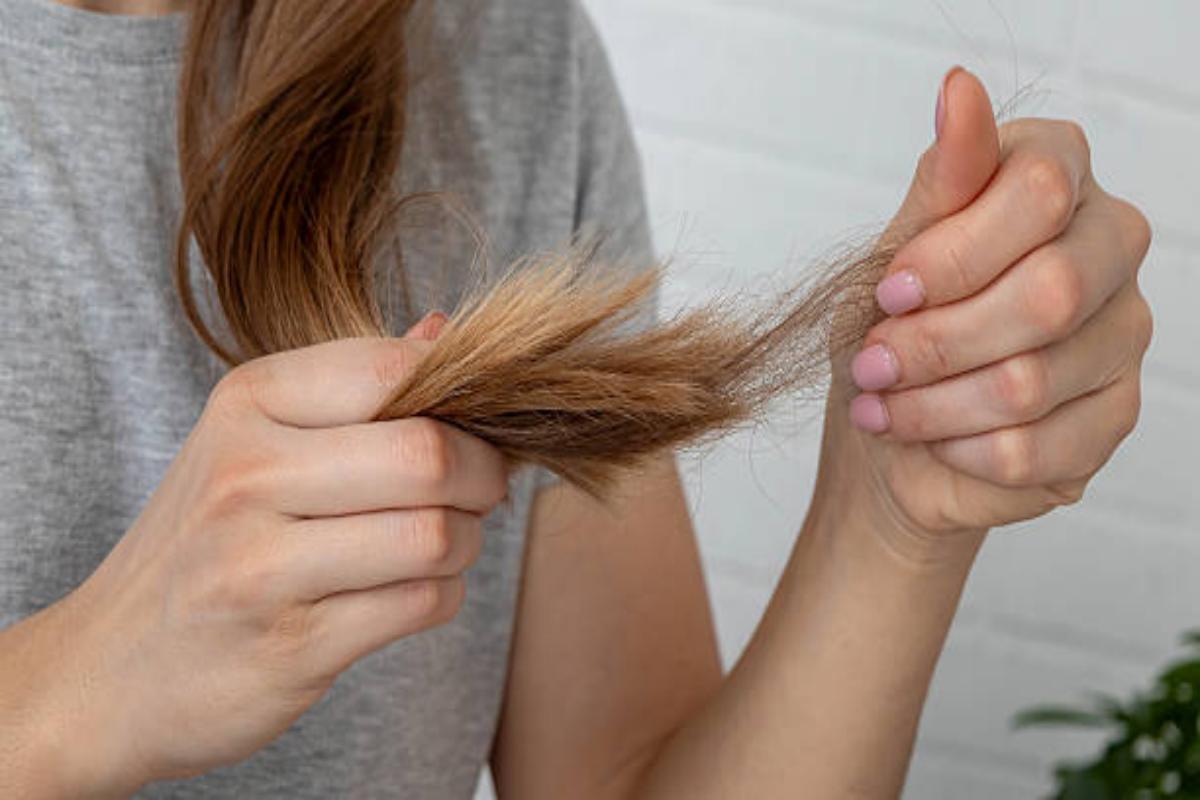
- Hair breakage happens when the hair shaft becomes dry, weak, or brittle and snaps before it reaches its full length.
If you see shorter broken pieces of hair rather than full strands with a tiny white bulb at the end, you are most likely dealing with breakage, not true hair loss.

If you notice that your hair seems to be falling out after dyeing, try not to panic right away. In some cases, this may simply be normal shedding that becomes more noticeable after washing or combing. In other cases, you may already have an underlying hair loss issue, and the coloring process may make it seem worse. If the shedding becomes more obvious after using a dye, it is also worth considering whether the formula contains irritating or overly strong ingredients that may be stressing the scalp.
How Hair Dye Can Damage Hair: Chemical Dyes vs. Plant-Based Dyes
Hair dye works by changing the hair structure so color can be deposited or developed inside the strand. Traditional chemical dyes often rely on stronger ingredients such as ammonia, peroxide, or other alkaline agents to open the cuticle and create long-lasting color.
While these formulas can be effective, they may also:
- Dry out the hair
- Make strands feel rough or brittle
- Increase the risk of breakage
- Leave already damaged hair looking weaker
This is especially true if you color your hair often, bleach it repeatedly, or leave the dye on longer than recommended.
Chemical Hair Dye
Chemical hair dyes are usually chosen for strong gray coverage, dramatic color changes, or long-lasting results. However, because they work more aggressively, they can be more irritating to both the hair and scalp, especially for people with sensitive skin or fragile hair.
Plant-Based Hair Dye
Plant-based hair dyes are often a gentler option for people who want to reduce harsh chemical exposure. They are typically designed to be milder on the scalp and less drying on the hair.
VAAIG is a good example of this approach. As a gentle plant-based hair dye, VAAIG is made for users who want rich color while being more mindful of hair comfort and scalp sensitivity. For people who are worried about dryness, breakage, or irritation, choosing a softer formula can make the coloring experience feel much more manageable.👉The Secret Behind Vaaig Hair Dye’s Gentle Care

Scalp Irritation Does Not Usually Cause Permanent Hair Loss
Some people experience itching, redness, burning, or dryness after coloring their hair. This can happen when the scalp reacts to certain ingredients or when the formula is too strong for sensitive skin.
Common signs of scalp irritation include:
- Itching
- Redness
- Burning or stinging
- Dry or flaky skin
In rare cases, an allergic reaction to ingredients such as PPD (para-phenylenediamine) may occur. If that happens, you should stop using the product and seek medical advice if the reaction is severe.
The important thing to understand is that scalp irritation does not usually lead to permanent hair loss. Temporary shedding may happen if the scalp becomes inflamed, but this is not the same as permanent follicle damage.
Once the irritation settles and the scalp recovers, hair growth usually returns to normal. This is why a patch test is so important before using any hair dye, even a gentler one.
If you want to learn more about when it is best to avoid coloring your hair and how to dye it more safely, you can also read our related articles:
7 At-Home Hair Coloring Mistakes—and How to Avoid Them
Things you need to know before dyeing your hair
Frequently Asked Questions
Can hair dye cause permanent hair loss?
For most people, no. Hair dye does not usually cause permanent hair loss when used properly. It may cause breakage or temporary irritation, but not lasting follicle damage.
Why does my hair seem thinner after coloring?
Coloring can make hair feel drier and more fragile, which may lead to breakage. This can make hair appear thinner even if it is not actually falling out from the root.
Is plant-based hair dye safer?
Plant-based hair dye is often gentler than traditional chemical formulas, especially for people with sensitive scalps or dry hair.
Can scalp irritation from hair dye cause hair loss?
Scalp irritation may sometimes cause temporary shedding, but it does not usually lead to permanent hair loss. If irritation is severe or ongoing, stop using the product and consult a professional.
Final Thoughts
Hair dye does not usually cause permanent hair loss, but it can contribute to breakage, dryness, or temporary scalp irritation if the formula is too harsh or the hair is already weakened.
Understanding the difference between hair loss and hair breakage can help you make better choices for your hair. If you want a gentler coloring experience, a plant-based hair dye like VAAIG may be a smart option for reducing stress on both the hair and scalp.
The best way to protect your hair is to choose the right formula, avoid coloring when your scalp is irritated or your hair is damaged, and always care for your hair before and after coloring. With the right approach, you can enjoy beautiful color while keeping your hair looking healthy, soft, and strong.


