

VAAIG Blog
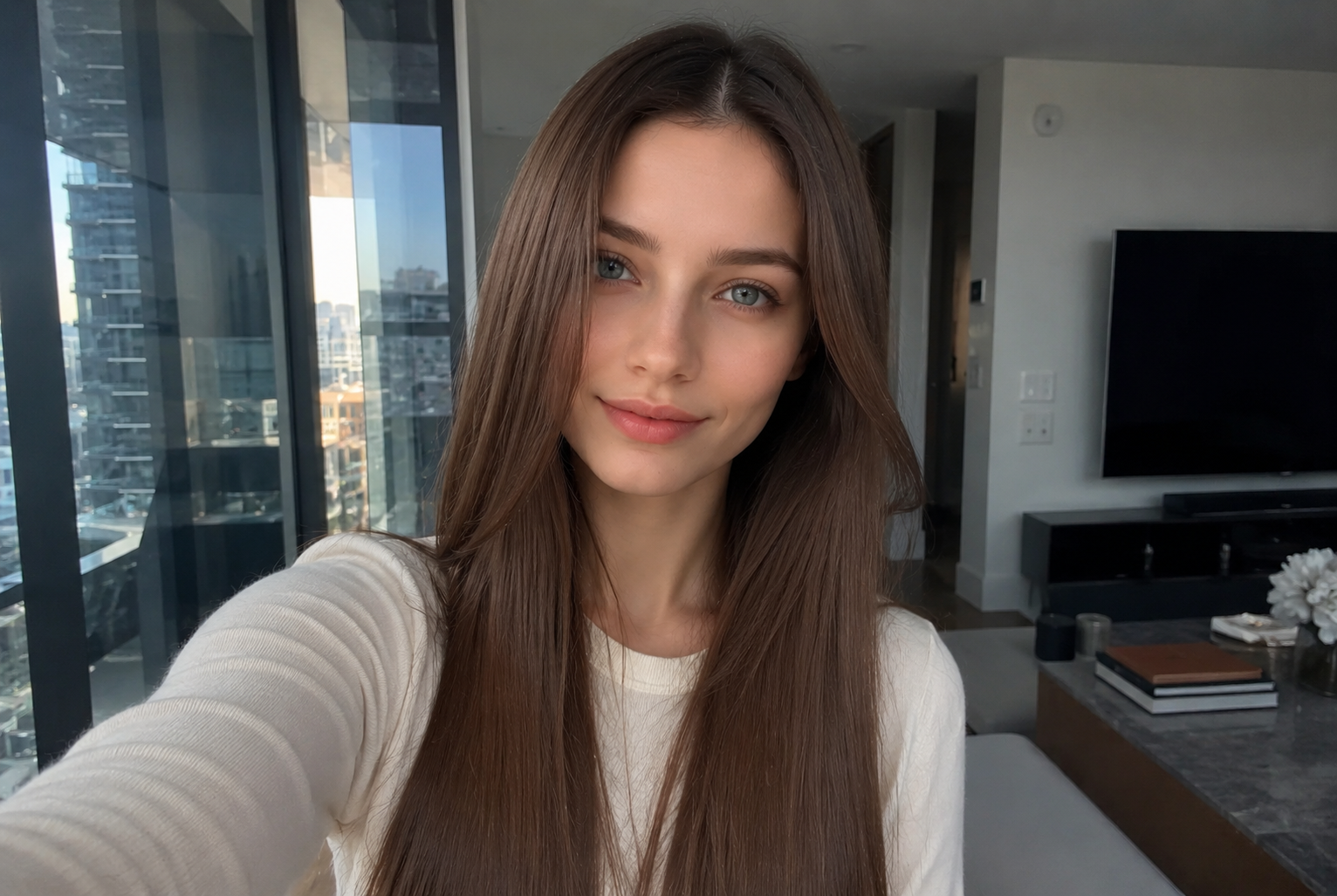

Gray Coverage + Mirror Shine: 4 Real DIY Results
We’ve all been there—scrolling through endless "perfect" hair transformations on social media, wondering if those glossy results are real or just the work of a very expensive ring light. At VAAIG, we believe the true test of a hair transformation isn't a selfie. It’s the "Social Stress Test." It’s how your hair looks under the harsh fluorescent lights of your office, or when a friend snaps a candid photo of you at a sunny weekend brunch. Today, we’re looking at four real transformations that prove one thing: when you prioritize Medical-Grade integrity, you don’t just change your color—you change your entire social signature. 1. The Confidence of the "Seamless Root" For many, the "Before" isn't about being unkempt; it’s about that distracting one-inch stripe of silver at the parting. It’s the constant worry that every time you tilt your head, someone is noticing your roots instead of your smile. Notice the After in these shots. This isn't just "covering" white hair; it’s about Pigment Grounding. Most beginner DIY kits leave a "translucent" or "hot" root that looks fake under direct light. By using a professional-density formula, we ensure the root matches the rest of your hair’s depth perfectly. That’s the difference between "I dyed my hair at home" and "I just stepped out of a salon." 2. The "HD Gloss" Factor: It’s Science, Not Magic While our older users seek coverage, our younger users are often fighting a different battle: Dullness. Between heat styling, hard water, and pollution, hair can quickly lose its "life," becoming matte, frizzy, and flat. Look at the way light hits the hair in these photos. This isn’t the result of a temporary shine spray. This is Cuticle Realignment. Traditional dyes blow the hair’s protective scales open like a pinecone and leave them jagged—that’s why hair feels like sandpaper after dyeing. We use Biomimetic Lipids to help "glue" those scales back down. When the hair surface is perfectly flat, it reflects light like a mirror. That silkiness isn't just a look; it's a structural repair. Why Texture is the Ultimate Social Trust The reason these "After" photos feel so different is because of Texture Integrity. The "Box Dye" Trap: You get the color you wanted, but your hair feels stiff, smells like a chemistry lab, and tangles the moment you touch it. The VAAIG Standard: Your hair feels better after the process than it did before. It’s soft to the touch, moves naturally, and stays vibrant through dozens of washes. Your Best Version, Unfiltered Whether you’re erasing decades of stubborn grays or simply reclaiming that "expensive" salon shine, your hair should be a source of confidence, not anxiety. You don't need a professional studio to look like the "After" photo. You just need a formula that respects your biology as much as your style. 🔗 Related Reading: [5 Daily Habits That Are Secretly Stealing Your Salon Glow] [Best Hair Dye for Sensitive Scalp 2026: No Burning, No Odor, Just Color] Ready for Your Own Transformation? Don't settle for "good enough." Experience the uniform color and silky texture that thousands of users have already discovered. 👉 [Shop the Collection: See the Difference Medical-Grade Care Makes]
Tudj meg többet
Scalp on Fire? How to Treat Hair Dye Allergy and Scalp Burn Fast at Home
For many, DIY hair dyeing is a rewarding ritual—until it isn't. If you've ever felt a sudden, searing sting just minutes after applying color, you know the feeling of pure panic. This isn't just "part of the process"; it is your body’s urgent SOS. If your scalp is currently burning, throbbing, or turning an angry red, drop the applicator brush immediately and follow this Emergency Rescue Protocol: Step 1: Flush with Cool Water Immediately Stop what you're doing. It doesn't matter if you've only been processing for five minutes. Rush to the shower and rinse your scalp with abundant cool water. Do NOT use warm or hot water. Heat dilates your pores and increases blood flow to the area, which allows harsh chemicals to penetrate deeper and intensifies the chemical burn. Pro Tip: Keep your head tilted back so the rinse-off doesn't run into your eyes or across your face. Step 2: Soothe and Breathe—Skip the Heavy Products After the dye is completely gone, if your scalp still feels like it’s radiating heat, apply a cool, damp cloth as a compress to calm the inflammation. The Common Trap: Many people rush to apply heavy conditioners or "natural" oils like coconut oil to "moisturize" the burn. This is a mistake. On a compromised scalp barrier, these heavy substances can trap residual irritants against the skin, potentially leading to a secondary reaction. Your scalp needs to breathe and reset—keep it clean and product-free. Step 3: Monitor and Know When to Call for Help While minor irritation usually subsides within a few hours, keep a close watch on your reaction. Seek professional medical attention immediately if you experience: Facial or eyelid swelling Difficulty breathing or wheezing Blistering or oozing on the scalp Why Does This Happen? (And How to Prevent the Next Crisis) Most traditional box dyes rely on high concentrations of Ammonia and aggressive oxidants. While these are effective at forcing color into the hair, they are equally effective at stripping away your scalp's natural protective mantle. Safety doesn't have to be a compromise. At VAAIG, we believe your beauty routine shouldn't hurt. That’s why we’ve bridged the gap between Professional-Grade Pigment and Medical-Grade Scalp Care. By eliminating harsh irritants without sacrificing vibrance, we’ve created a formula that respects your skin as much as your style. 👉 [Discover the VAAIG Collection: Professional Color for Sensitive Scalps] The Bottom Line A bad reaction is a sign that your current product isn't working for your body. It isn't a sign that you have to stop dyeing your hair; it's a sign that it’s time to upgrade your formula. Protect your scalp, choose professional-standard tools, and make your next coloring session a relaxing transformation rather than an emergency.
Tudj meg többet
Salon-Like Hair Color at Home for Graduation Season
May is the season of the "Big Reveal." Whether it’s the high-stakes glamour of a high school Prom or the dignified walk across a college graduation stage, these are the moments that will live forever in high-definition family albums. For the Graduate, it’s about a flawless, trend-setting look. For the Mother, it’s about looking as vibrant as you feel while ensuring those stubborn grays don't steal the focus in a family portrait. But with big events comes big stress—and the last thing anyone needs is a "hair disaster" or a reactive scalp just days before the ceremony. The "Safe-for-Photos" Strategy: Why Formula Matters During Graduation & Prom Season, the search for the perfect hair color often leads to a common fear: What if I have a reaction? Traditional box dyes are notorious for high ammonia content and harsh chemicals that can cause redness, itching, or even "scalp burn." Imagine wearing a graduation cap or a prom updo while dealing with an inflamed hairline. That’s why we’ve pivoted the conversation to Medical-Grade safety. By choosing an Ammonia-Free, professional-standard formula, you aren't just getting color; you are getting "Event Insurance." You get 100% stubborn gray coverage and high-gloss vibrance without the risk of a scalp flare-up ruining your big day. The Mother-Daughter "Glow Up" This season isn't just a milestone for the student—it’s a celebration of the family's journey. To honor this, we are introducing the Graduation Family Package. For the Daughter: Focus on "The Gloss." Our biomimetic lipids seal the hair cuticle, ensuring your hair reflects every camera flash and looks silky under the stadium lights. For the Mom: Focus on "The Coverage." We target those resistant grays at the temple and part, providing a seamless, youthful finish that looks like you just stepped out of a $300 salon chair. Why Every Minute Counts During Graduation Week We know your schedule is packed with rehearsals, dinners, and travel. You don't have four hours to sit in a salon. Our professional-grade kits allow you to achieve Salon-Grade results in 30 minutes from the comfort of your own home. It’s the efficiency of DIY with the integrity of a medical-grade formula. Your 5-Day Event Countdown To ensure peak vibrance for the ceremony, we recommend the 5-Day Rule: 5 Days Before: Perform your color application. This allows the shade to settle and any accidental skin staining to fade. 48 Hours After: Your first wash. Use cool water to "lock in" the shine. The Big Day: Style with confidence, knowing your scalp is calm and your color is locked. 🎓 Limited-Time Prom & Graduation Offer Don't walk the stage alone. Take advantage of our "Mother & Daughter Duo" Special. Get 100% gray coverage for Mom and a high-shine refresh for the Graduate in one convenient, safe, and professional-grade package. 👉 [Claim Your Family Package: The Safe Choice for Your Milestone Moments]
Tudj meg többet
Why Your At-Home Color Usually Ruins Your Texture (And How to Fix It)
We’ve all been there. You wash out your DIY dye, expecting to see a vibrant new you in the mirror, but as your hair dries, reality sets in. It’s stiff. It’s frizzy. It feels more like dried straw than actual hair. The common misconception is that "hair dye just damages hair." But that’s not the whole story. The truth lies in the chemistry of the "Open-and-Shut" process—and most box dyes forget the "Shut" part. The Science of the "Straw" Texture To get color inside your hair, the formula has to lift the cuticle (the protective outer layer). Traditional dyes use high levels of Ammonia to blow these cuticles open aggressively. The problem? They often leave them propped open like a broken door. This allows moisture to leak out and light to scatter instead of reflecting, resulting in that dull, rough texture we all dread. Why a Healthy Scalp Equals Better Color Most people treat their scalp like skin and their hair like fabric, but they are deeply connected. A harsh, chemical-heavy dye doesn't just "dry out" the strands; it irritates the scalp and strips away the natural oils (sebum) that act as your hair’s built-in conditioner. When your scalp is stressed and inflamed, your hair loses its foundation. This is why a "Medical-Grade" approach isn't just about safety—it's about the final aesthetic. The Professional "Seal" Secret If you want that salon-slick finish at home, you need to move beyond basic pigment. You need a formula that prioritizes Cuticle Realignment. This is where VAAIG changes the game. By bridging the gap between Professional-Grade Pigment and Biomimetic Care, our system doesn't just deposit color; it mimics the hair's natural lipids to help "glue" the cuticle back down after the color is set. The result? Color that doesn't just look expensive—it feels expensive. 3 Tips to Keep Your DIY Color Silky The Temperature Rule: Always rinse your dye with lukewarm to cool water. Hot water is the enemy of a smooth cuticle. Post-Dye Patience: Wait at least 48 hours before your first real shampoo. Give those cuticles time to fully "settle" and lock in the moisture. Switch Your Standard: If your current dye smells like a chemistry lab and leaves your head itching, it’s doing structural damage. Transitioning to a scalp-friendly, ammonia-free formula is the single best thing you can do for long-term hair health. 👉 [Experience the VAAIG Difference: Where Medical-Grade Safety Meets Salon-Quality Silk] Related Reading: 5 Daily Habits That Are Secretly Stealing Your Salon Glow Just Colored Your Hair? Don’t Wash It Yet
Tudj meg többet
Best Hair Dye for Sensitive Scalp 2026: No Burning, No Odor, Just Color
If you have a sensitive scalp, "hair day" often feels like a countdown to discomfort. The moment the dye touches your skin, the stinging starts. Soon after, it’s followed by that familiar burning sensation, tightness, and a pungent chemical odor that lingers long after you’ve rinsed. If you’ve been "toughing it out" for the sake of color, we have news for you: It doesn’t have to be this way. 1. Why Does Your Scalp Protest? It’s not that you "aren't meant to dye your hair"—it’s likely that the formula is too aggressive. Traditional permanent dyes often rely on a harsh chemical cocktail to force pigment into the hair cuticle. The main culprits are usually: Ammonia: Opens the hair cuticle but also strips the scalp’s natural moisture barrier, causing that "stinging" feel. PPD (Para-phenylenediamine): A common pigment known to be a top allergen for sensitive skin. Synthetic Fragrances: Used to mask chemical smells, but often trigger redness and itching. For a sensitive scalp, these aren't just ingredients; they are irritants that cause Contact Dermatitis. 2. Red Flags: Signs Your Dye Is Too Harsh Are you ignoring these signs? The "Sharp" Smell: If the ammonia fumes make your eyes water, it’s too strong for your skin. The Immediate Burn: A slight tingle might be normal for some, but heat and sharp pain are your scalp's SOS signals. The Post-Dye Itch: If your scalp feels dry or flaky for days after coloring, your skin barrier has been compromised. 3. The Shift to "Scalp-First" Coloring In the world of Clean Beauty, we believe you shouldn't have to sacrifice your comfort for vibrant color. When choosing your next kit, look for the "Gentle Trio": Ammonia-Free Formulas: Uses gentler alkaline agents that don't disrupt your pH balance as drastically. Botanical Soothing: Ingredients like Aloe Vera, Argan Oil, or Chamomile help calm the skin during the process. Low-Odor Technology: Because the experience should be as pleasant for your nose as it is for your hair. 4. The VAAIG Approach: Beauty Without the Burn At VAAIG, we re-imagined the coloring process for the sensitive soul. Our philosophy is simple: High Performance, Low Irritation. We’ve minimized the harsh chemistry that causes the "itch and burn" and replaced it with a smoother, more balanced experience. With VAAIG, you get: Zero Pungent Fumes: A gentle scent that won't take over your bathroom. Scalp-Comfort Technology: Formulated to minimize stinging, even on delicate skin. True-to-Life Color: Vibrant, long-lasting shades that look (and feel) healthy. Explore the VAAIG Home Salon Series 5. Pro-Tips for a Comfortable Experience To ensure your next color session is 100% stress-free, follow these expert tips: The Patch Test: Always apply a small amount behind your ear 48 hours before full application. Don’t Pre-Wash: Natural scalp oils are your best friend! They act as a built-in protective buffer against the dye. Stay Hydrated: A hydrated body means a more resilient skin barrier. Ready to break up with the burn? Don't let a sensitive scalp hold back your style. Experience professional-grade color that respects your skin. [Explore the VAAIG Collection – Gentle Color, Serious Results] Related Reading: Sensitive Scalp Hair Dye Guide
Tudj meg többet
Semi-Permanent vs. Permanent Hair Dye: Which One Actually Covers Gray Hair?
Semi-Permanent vs Permanent Hair Dye: Which Covers Gray Hair Better? Understanding the Best Hair Color Cho Many people searching for hair color are asking the same question: Should I choose semi-permanent or permanent hair dye for covering gray hair? The answer depends on your hair goals. Some people want a temporary color refresh. Others want reliable gray coverage that lasts longer and looks natural. Understanding the difference between semi-permanent and permanent hair color can help you choose the right option for your hair. 1. Not All Hair Color Works the Same for Gray Hair Gray hair is different from naturally pigmented hair. As hair loses its natural pigment, it can become more resistant to color absorption. This is why some temporary hair colors may look beautiful at first but struggle to fully cover stubborn gray strands. When choosing a hair color, consider: ✓ How much gray coverage you need✓ How long you want the color to last✓ Whether you prefer temporary enhancement or long-lasting results✓ How comfortable the formula feels during application The right choice is not simply about color — it is about finding a solution that fits your lifestyle. 2. Semi-Permanent vs Permanent Hair Dye: What Is the Difference? Semi-Permanent Hair Dye Semi-permanent hair color deposits color onto the outer layers of the hair. It is commonly chosen for: ✓ Refreshing existing color✓ Adding tone and shine✓ Temporary color changes✓ People who want a lower-commitment option However, because it does not deeply penetrate the hair shaft, semi-permanent color usually provides limited coverage on stubborn gray hair. Permanent Hair Dye Permanent hair color is designed to create longer-lasting color results. It works by allowing color pigments to penetrate deeper into the hair structure. Permanent hair color is commonly chosen for: ✓ Full gray coverage✓ Longer-lasting results✓ More consistent color appearance✓ Natural-looking hair transformations For people whose main goal is covering gray roots, permanent hair color is usually the more effective choice. Semi-Permanent vs Permanent Hair Dye Comparison Feature Semi-Permanent Hair Dye Permanent Hair Dye Gray coverage Limited coverage Full gray coverage Color duration Several washes Long-lasting color Best for Refreshing tone and shine Covering gray hair Color change Temporary enhancement More complete transformation Ideal user Those wanting flexibility Those wanting reliable coverage 3. Which Hair Dye Is Better for Covering Gray Hair? If your goal is: ✓ Covering visible gray roots✓ Maintaining consistent color✓ Reducing frequent touch-ups✓ Achieving a natural-looking result Permanent hair color is usually the better option. Gray hair often requires stronger color performance because it lacks the natural pigment that helps hold color. A well-formulated permanent hair color can provide: ✓ More even coverage✓ Richer color payoff✓ Longer-lasting results✓ A more natural appearance 4. Can Permanent Hair Color Be Gentle? Many people avoid permanent hair color because they associate it with strong smells or harsh formulas. However, modern hair color technology has evolved. A high-quality permanent hair color can combine: ✓ Effective gray coverage✓ Comfortable application✓ Better hair appearance after coloring✓ More pleasant coloring experience The formula matters just as much as the color result. 5. Why VAAIG Permanent Hair Color Is Different Clean Gray Coverage Without the Harsh Experience Not all permanent hair colors are created the same. VAAIG Clean Cover Permanent Hair Color was developed for people who want reliable gray coverage while enjoying a more comfortable coloring experience. Our formula focuses on: ✓ Ammonia-free technology✓ Full gray coverage✓ Soft, glossy-looking hair✓ Salon-inspired color results✓ Fragrance-inspired coloring experience Instead of choosing between beautiful color and comfort, VAAIG brings both together. Experience VAAIG Clean Cover Permanent Hair Color Designed for: ✓ Natural-looking gray coverage✓ Rich, dimensional color✓ Softer-looking hair after coloring✓ Easy at-home application [Explore VAAIG Hair Color] 6. Tips for Better At-Home Gray Coverage Results Even the best hair color performs better with proper application. ① Choose the right shade Select a shade close to your natural hair color for the most natural result. ② Apply evenly Make sure gray areas receive complete and consistent product coverage. ③ Follow processing time Allow enough time for the color formula to develop properly. ④ Maintain your color Using gentle hair care products can help maintain shine and color appearance. Frequently Asked Questions Is permanent hair dye better than semi-permanent for gray coverage? Yes. Permanent hair color generally provides stronger and longer-lasting gray coverage compared with semi-permanent dye. Does ammonia-free hair dye cover gray hair? Yes. A properly formulated ammonia-free permanent hair color can provide effective gray coverage while offering a more comfortable coloring experience. How long does permanent hair color last? Permanent hair color remains visible for several weeks and gradually fades as new hair growth appears. Is permanent hair color damaging to hair? Hair color results depend on the formula and hair care routine. Choosing a carefully developed formula can help maintain a softer, healthier-looking appearance. Final Conclusion: The Best Hair Dye Depends on Your Goal There is no singl If you want: Temporary color enhancement → Semi-permanent hair dye may work well. If you want: Reliable gray coverage Longer-lasting color Natura Permanent hair color is usually the better choice. At VAAIG, we believe beautiful hair color shoul Professional color standards, created for Discover VAAIG Clean Cover Permanent Hair Color ✓ Ammonia-Free Formula✓ Gray Coverage✓ Salon-Ins✓ Soft, Shiny Finish✓ Ships From USA [Explore VAAIG Hair Color]
Tudj meg többet